
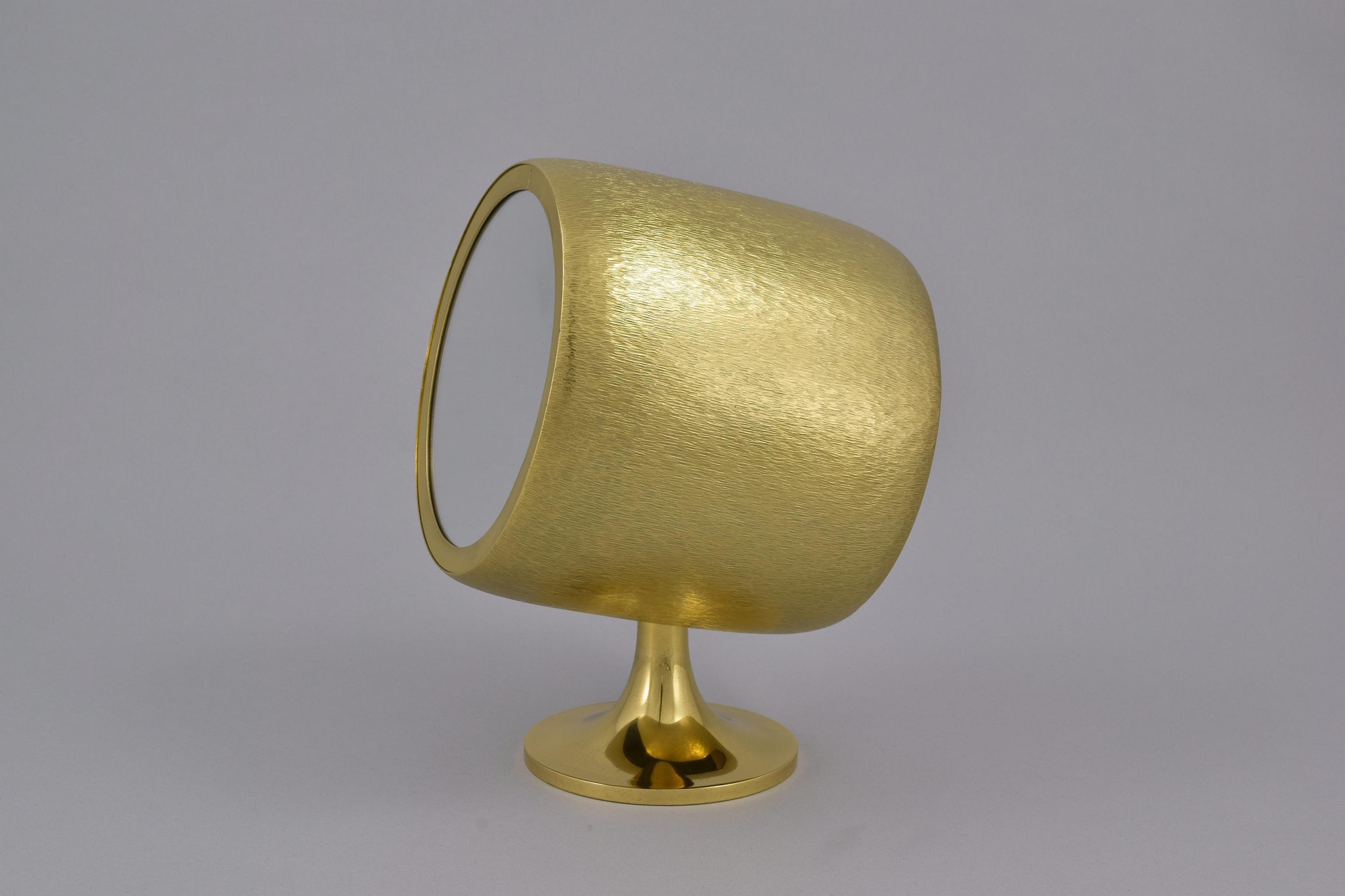
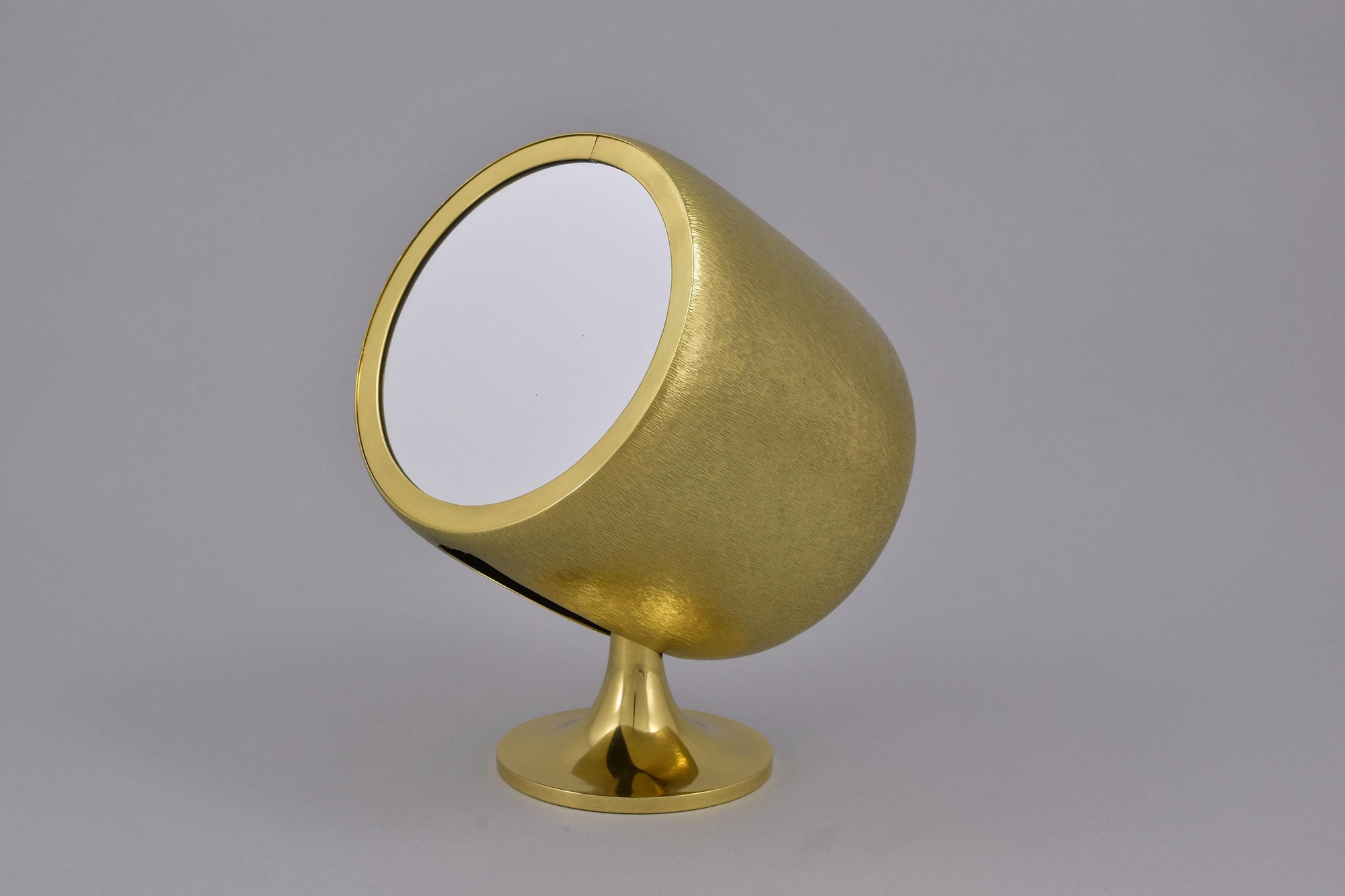
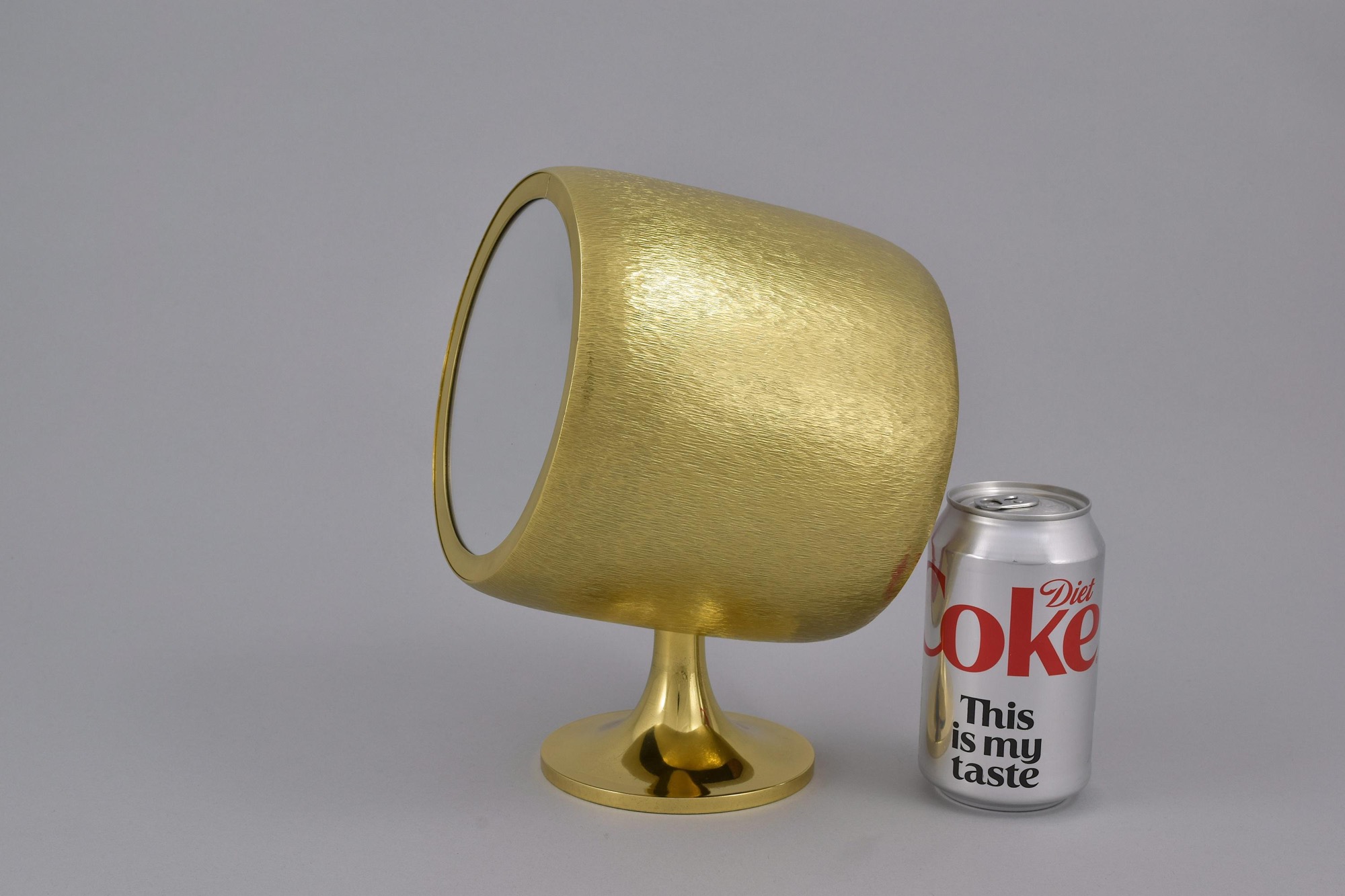
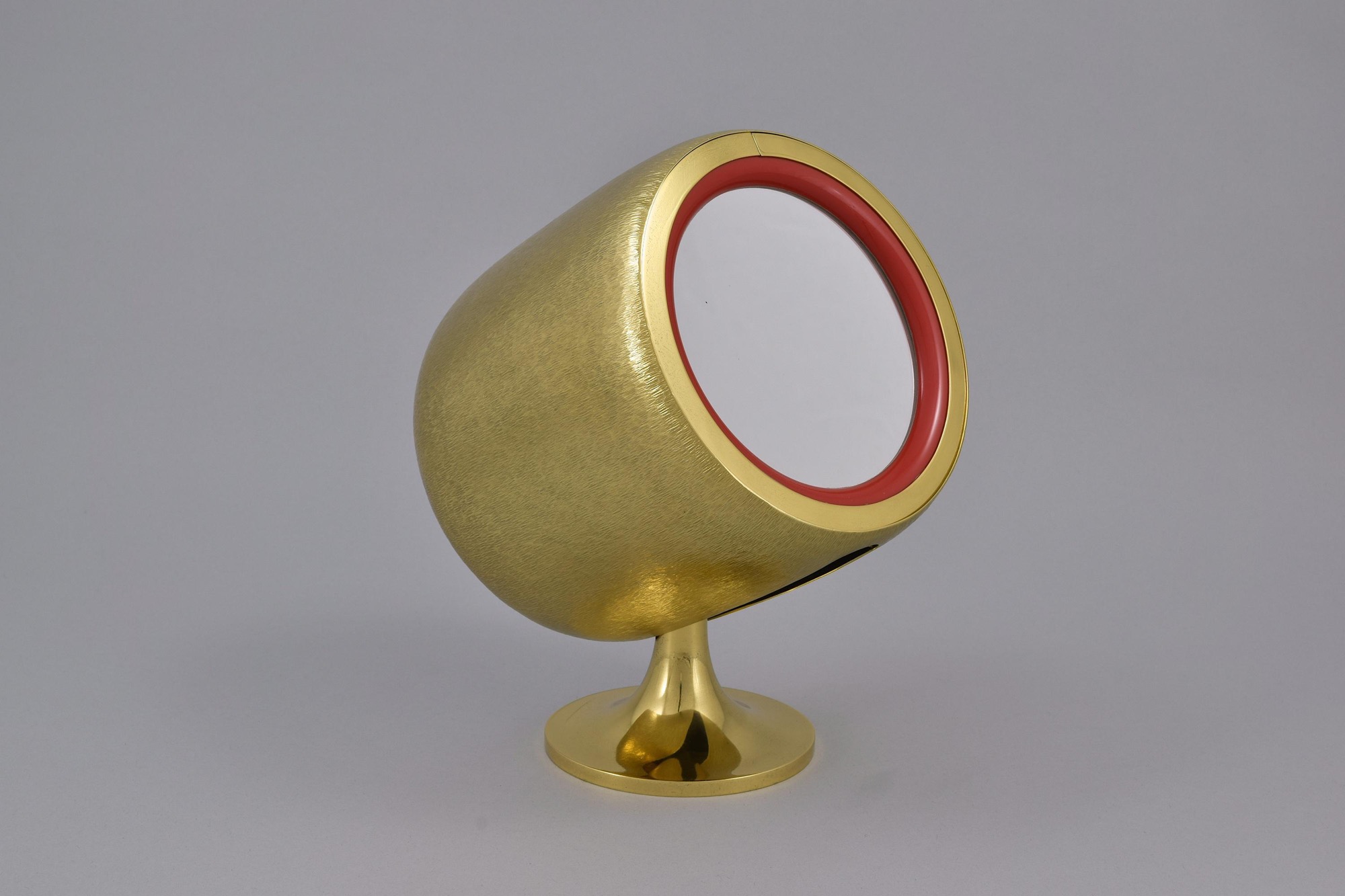
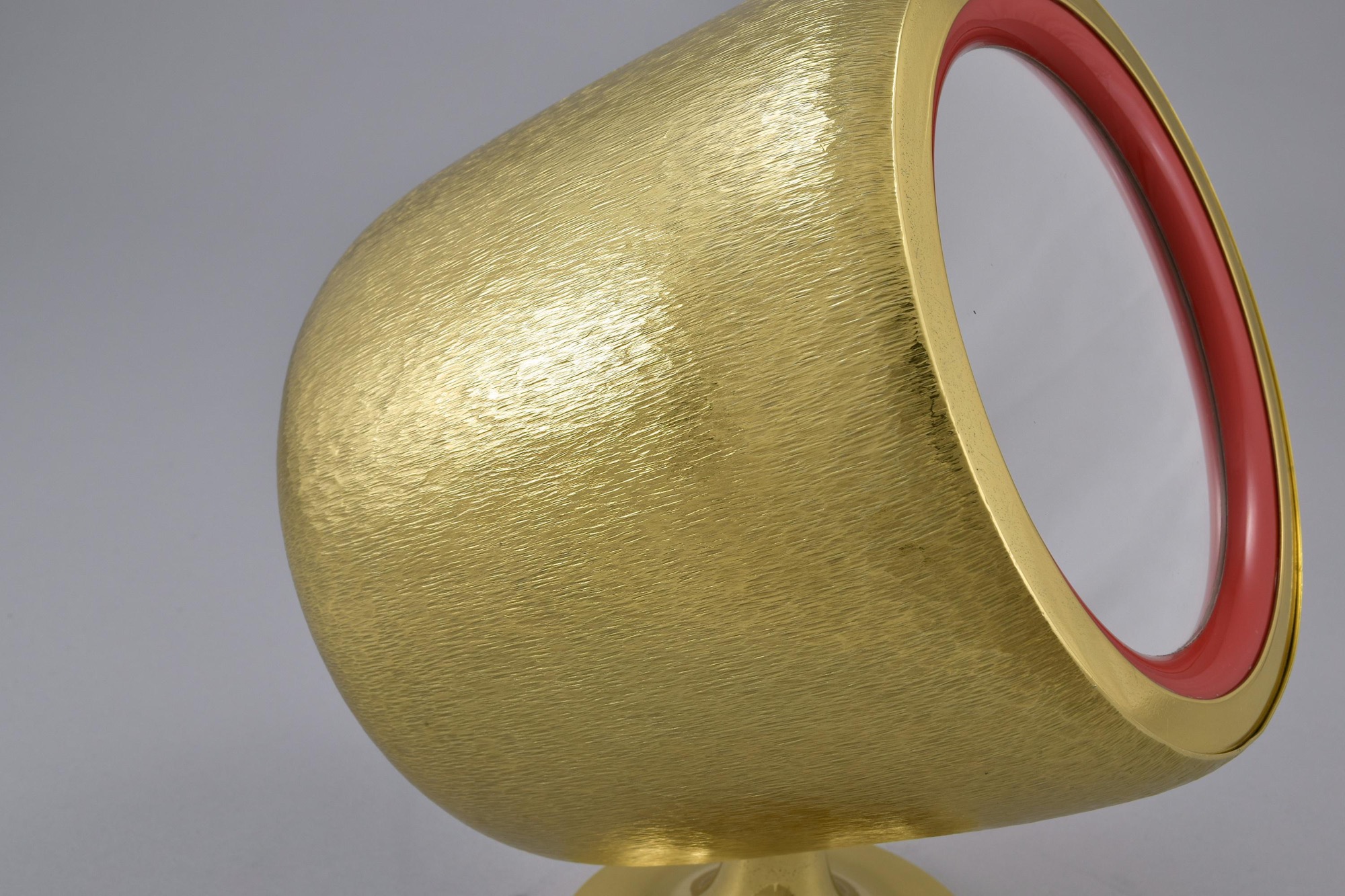
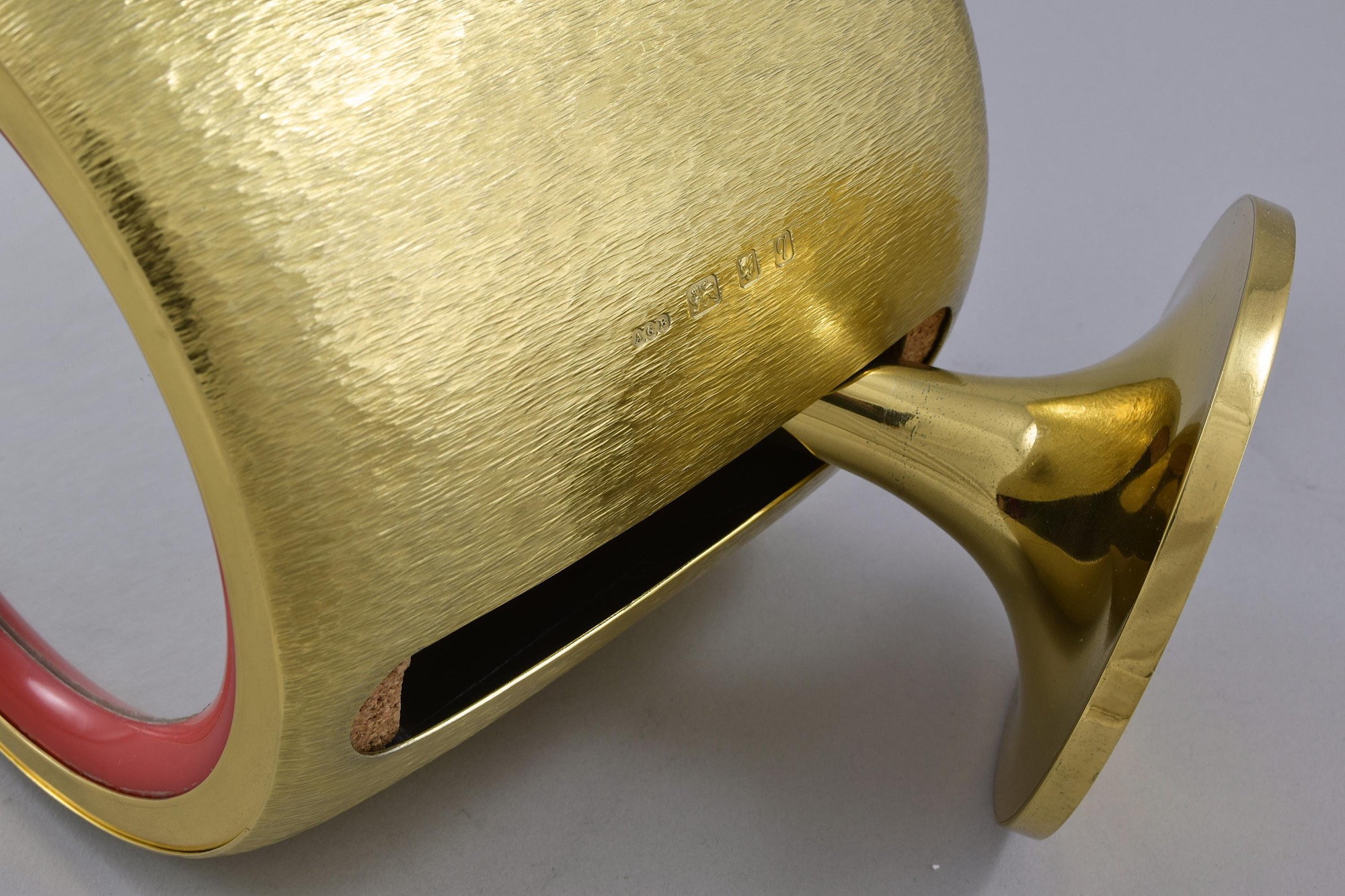
Gerald Benney. A Rare silver-gilt double Vanity mirror
Gerald Benney. A Rare silver-gilt double Vanity mirror
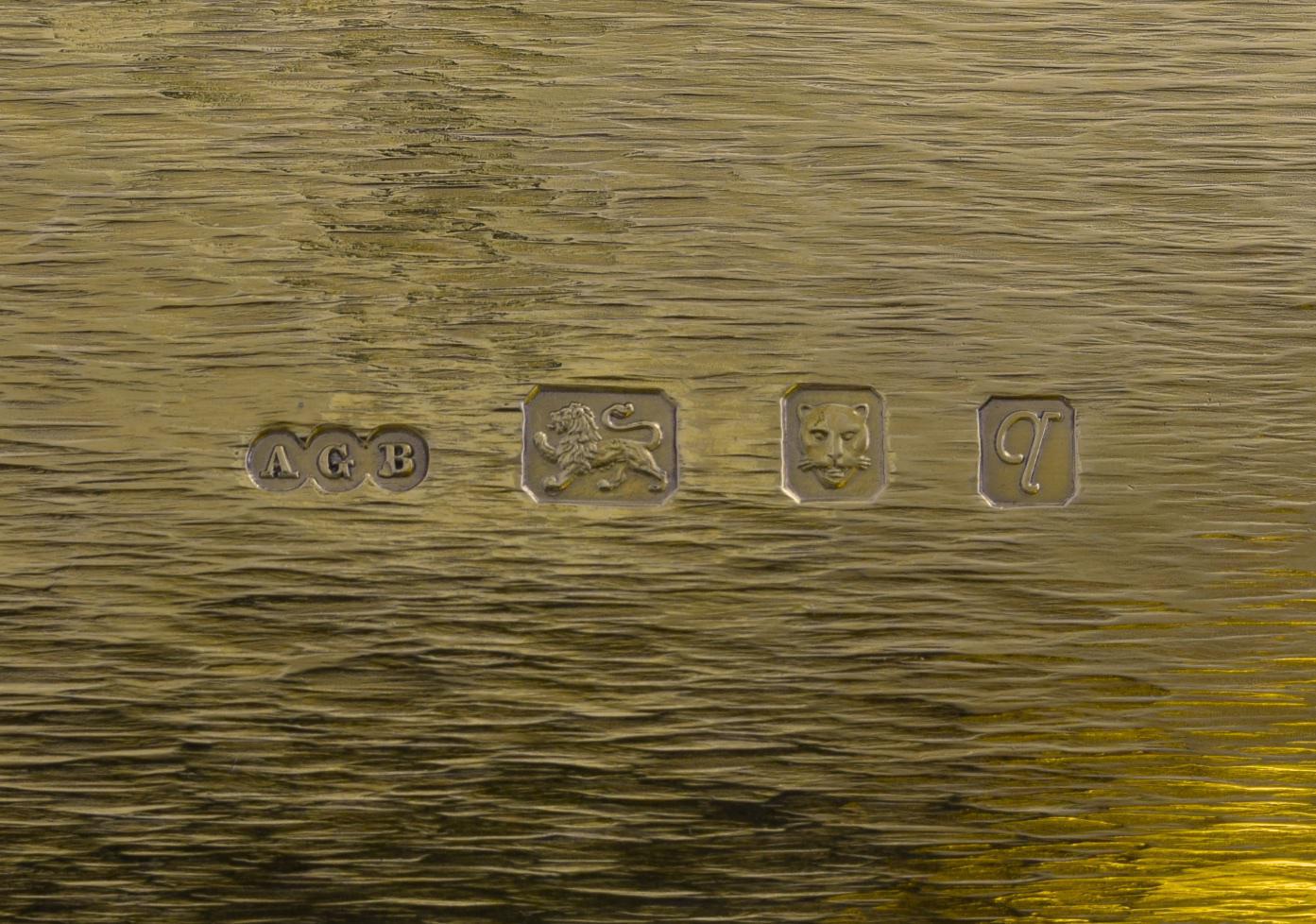
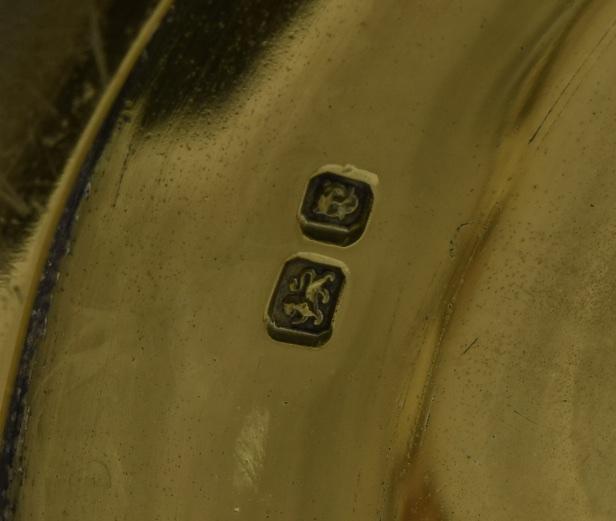
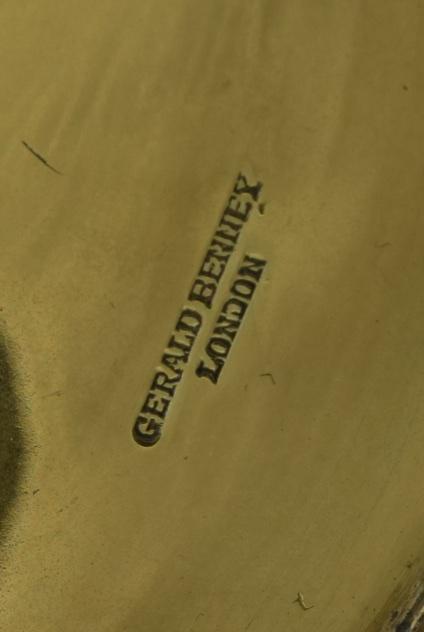
Hallmarks for Gerald Benney, London 1971
Gerald Adrian Sallis Benney CBE RDI (21 April 1930 - 26 June 2008) was one of the most influential British goldsmiths and silversmiths of the twentieth century. Renowned for his innovative approach to traditional metalworking, his elegant modern designs and his distinctive textured silverware, he played a major role in revitalising British silversmithing after the Second World War. His work combined exceptional craftsmanship with a practical understanding of contemporary design, establishing him as
...
Hallmarks for Gerald Benney, London 1971
Gerald Adrian Sallis Benney CBE RDI (21 April 1930 - 26 June 2008) was one of the most influential British goldsmiths and silversmiths of the twentieth century. Renowned for his innovative approach to traditional metalworking, his elegant modern designs and his distinctive textured silverware, he played a major role in revitalising British silversmithing after the Second World War. His work combined exceptional craftsmanship with a practical understanding of contemporary design, establishing him as
a leading figure in the international decorative arts.
Born in Kingston upon Hull, Yorkshire, Gerald Benney grew up in an artistic family. His father, Ernest Arthur Sallis Benney, was a painter and principal of Brighton College of Art, while his mother, Aileen, was a skilled silversmith. This creative environment introduced him to the possibilities of both design and craftsmanship from an early age.
Benney studied at Brighton College of Art from 1945, where he received instruction in silversmithing from Dunstan Pruden, a craftsman associated with the Arts and Crafts movement. Following his period of national service, he continued his education at the Royal College of Art in London, studying under the influential designer and teacher Robert Goodden. In 1952, he won the Prince of Wales Scholarship for a silver tea service and tray, an early indication of his considerable talent.
Brighton University Blogs
During the 1950s, Benney established his own workshop in London and began developing a reputation for finely made silverware that combined modern simplicity with traditional handcraft. He was influenced initially by Scandinavian modernism, particularly its clean lines, functional forms and restrained decoration. His work, however, gradually developed a more individual character, seeking to establish a distinctively British approach to modern silver.
A significant part of his success came through his work as a consultant designer for Viners of Sheffield between 1957 and 1969. There, he designed silverware, stainless-steel cutlery and pewter objects that brought contemporary design to a much wider audience. His commercially successful cutlery patterns, including Studio and Chelsea, demonstrated that thoughtful design and high manufacturing standards could be combined with practical, everyday use. At the same time, he continued to produce individual commissions and more elaborate pieces for private collectors and corporate clients.
Mid Century Finds
The distinctive "Benney Bark" technique
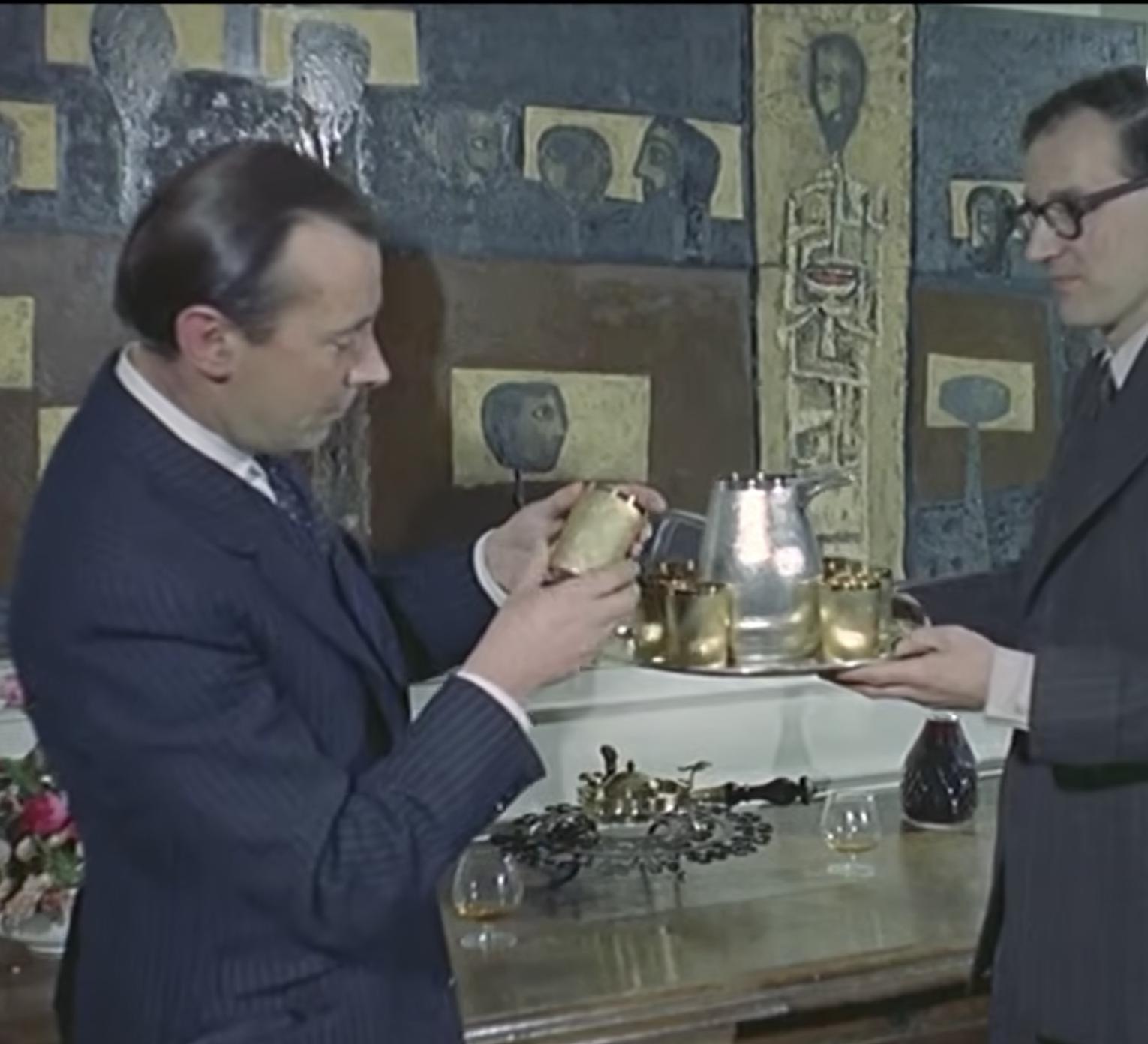
Benney's most celebrated innovation was his signature surface treatment, known as the "Benney Bark" finish, which transformed the appearance of modern silverware. Developed by chance in the early 1960s, the technique arose when a damaged planishing hammer left an unusual pattern on a piece of silver he was raising by hand. Rather than discard the work, Benney recognised the decorative potential of the accidental marks and refined the method into a distinctive finish. By carefully hammering the metal, he created a richly textured surface of fine, irregular striations reminiscent of tree bark. This contrasted beautifully with the smooth, highly polished rims, edges and interiors of his vessels, emphasising their shape and craftsmanship. Beyond its visual appeal, the texture had practical advantages: it was less susceptible to the appearance of fingerprints and could help disguise the effects of everyday handling. The finish became Benney's hallmark, appearing on bowls, jugs, beakers, boxes, tea and coffee services, and other objects in silver and gold. Its success lay in the way it combined an apparently natural, rugged texture with precise workmanship and modern form, creating an instantly recognisable style that was widely admired and subsequently emulated by other silversmiths.
eMuseum
During the late 1960s and 1970s, Benney expanded his decorative vocabulary by exploring the use of enamel on precious metals. He collaborated with Norwegian enameller Berger Bergersen, whose expertise helped Benney and his workshop develop sophisticated enamelling techniques. The resulting pieces combined vibrant, translucent colours with the reflective qualities of polished gold and silver and the tactile character of the bark finish. His enamelled boxes and other small luxury objects demonstrated his ability to balance technical complexity with a disciplined sense of design. These works also reflected his interest in the historical traditions of European decorative arts, including the celebrated enamelling associated with Fabergé.
Benney's achievements brought him commissions from distinguished private clients, major corporations and public institutions. His patrons included members of the British Royal Family, and he became the first British craftsman to hold four Royal Warrants simultaneously, serving the Queen, the Queen Mother, the Duke of Edinburgh and the Prince of Wales. His work was also commissioned for ceremonial and commemorative purposes, while his religious objects, including pieces of Jewish ceremonial silver, demonstrated the versatility of his approach.
In 1971, Benney was appointed a Royal Designer for Industry in recognition of his contribution to design. From 1974 to 1983, he served as Professor of Silversmithing and Jewellery at the Royal College of Art, returning to the institution where he had trained to influence a new generation of designers and makers. He was appointed a Commander of the Order of the British Empire (CBE) in 1995. His work entered important collections, including those of the Victoria and Albert Museum and the Goldsmiths' Company.
Brighton University Blogs+1
Gerald Benney died in Wiltshire on 26 June 2008, aged 78, leaving a lasting legacy in British decorative arts. His importance rests not only on the quality and range of his silverware but also on his ability to unite traditional handcraft with modern industrial design. Through his work for Viners, he helped bring well-designed metalware into everyday British homes; through his studio practice, he demonstrated the artistic potential of precious metals; and through his teaching, he contributed to the continuing development of British silversmithing.
Above all, the Benney Bark finish remains a testament to his inventive eye and experimental approach. What began as an accidental mark made by a damaged hammer became one of the most recognisable surface treatments in twentieth-century British silver. His work continues to be collected and admired for its combination of sculptural simplicity, tactile richness, technical excellence and enduring elegance.
12589
Dimensions

 was one of the most influential British goldsmiths and silversmiths of the twentieth century. Renowned for his innovative approach to traditional metalworking, his elegant modern designs and his distinctive textured silverware, he played a major role in revitalising British silversmithing after the Second World War. His work combined exceptional craftsmanship with a practical understanding of contemporary design, establishing him as a leading figure in the international decorative arts.Born in Kingston upon Hull, Yorkshire, Gerald Benney grew up in an artistic family. His father, Ernest Arthur Sallis Benney, was a painter and principal of Brighton College of Art, while his mother, Aileen, was a skilled silversmith. This creative environment introduced him to the possibilities of both design and craftsmanship from an early age.Benney studied at Brighton College of Art from 1945, where he received instruction in silversmithing from Dunstan Pruden, a craftsman associated with the Arts and Crafts movement. Following his period of national service, he continued his education at the Royal College of Art in London, studying under the influential designer and teacher Robert Goodden. In 1952, he won the Prince of Wales Scholarship for a silver tea service and tray, an early indication of his considerable talent. Brighton University BlogsDuring the 1950s, Benney established his own workshop in London and began developing a reputation for finely made silverware that combined modern simplicity with traditional handcraft. He was influenced initially by Scandinavian modernism, particularly its clean lines, functional forms and restrained decoration. His work, however, gradually developed a more individual character, seeking to establish a distinctively British approach to modern silver.A significant part of his success came through his work as a consultant designer for Viners of Sheffield between 1957 and 1969. There, he designed silverware, stainless-steel cutlery and pewter objects that brought contemporary design to a much wider audience. His commercially successful cutlery patterns, including Studio and Chelsea, demonstrated that thoughtful design and high manufacturing standards could be combined with practical, everyday use. At the same time, he continued to produce individual commissions and more elaborate pieces for private collectors and corporate clients. Mid Century FindsThe distinctive "Benney Bark" techniqueBenney's most celebrated innovation was his signature surface treatment, known as the "Benney Bark" finish, which transformed the appearance of modern silverware. Developed by chance in the early 1960s, the technique arose when a damaged planishing hammer left an unusual pattern on a piece of silver he was raising by hand. Rather than discard the work, Benney recognised the decorative potential of the accidental marks and refined the method into a distinctive finish. By carefully hammering the metal, he created a richly textured surface of fine, irregular striations reminiscent of tree bark. This contrasted beautifully with the smooth, highly polished rims, edges and interiors of his vessels, emphasising their shape and craftsmanship. Beyond its visual appeal, the texture had practical advantages: it was less susceptible to the appearance of fingerprints and could help disguise the effects of everyday handling. The finish became Benney's hallmark, appearing on bowls, jugs, beakers, boxes, tea and coffee services, and other objects in silver and gold. Its success lay in the way it combined an apparently natural, rugged texture with precise workmanship and modern form, creating an instantly recognisable style that was widely admired and subsequently emulated by other silversmiths. eMuseumDuring the late 1960s and 1970s, Benney expanded his decorative vocabulary by exploring the use of enamel on precious metals. He collaborated with Norwegian enameller Berger Bergersen, whose expertise helped Benney and his workshop develop sophisticated enamelling techniques. The resulting pieces combined vibrant, translucent colours with the reflective qualities of polished gold and silver and the tactile character of the bark finish. His enamelled boxes and other small luxury objects demonstrated his ability to balance technical complexity with a disciplined sense of design. These works also reflected his interest in the historical traditions of European decorative arts, including the celebrated enamelling associated with Fabergé. Benney's achievements brought him commissions from distinguished private clients, major corporations and public institutions. His patrons included members of the British Royal Family, and he became the first British craftsman to hold four Royal Warrants simultaneously, serving the Queen, the Queen Mother, the Duke of Edinburgh and the Prince of Wales. His work was also commissioned for ceremonial and commemorative purposes, while his religious objects, including pieces of Jewish ceremonial silver, demonstrated the versatility of his approach.In 1971, Benney was appointed a Royal Designer for Industry in recognition of his contribution to design. From 1974 to 1983, he served as Professor of Silversmithing and Jewellery at the Royal College of Art, returning to the institution where he had trained to influence a new generation of designers and makers. He was appointed a Commander of the Order of the British Empire (CBE) in 1995. His work entered important collections, including those of the Victoria and Albert Museum and the Goldsmiths' Company. Brighton University Blogs+1Gerald Benney died in Wiltshire on 26 June 2008, aged 78, leaving a lasting legacy in British decorative arts. His importance rests not only on the quality and range of his silverware but also on his ability to unite traditional handcraft with modern industrial design. Through his work for Viners, he helped bring well-designed metalware into everyday British homes; through his studio practice, he demonstrated the artistic potential of precious metals; and through his teaching, he contributed to the continuing development of British silversmithing.Above all, the Benney Bark finish remains a testament to his inventive eye and experimental approach. What began as an accidental mark made by a damaged hammer became one of the most recognisable surface treatments in twentieth-century British silver. His work continues to be collected and admired for its combination of sculptural simplicity, tactile richness, technical excellence and enduring elegance.)