
a magnificent pair of Victorian silver "bear and ragged staff" sculptures
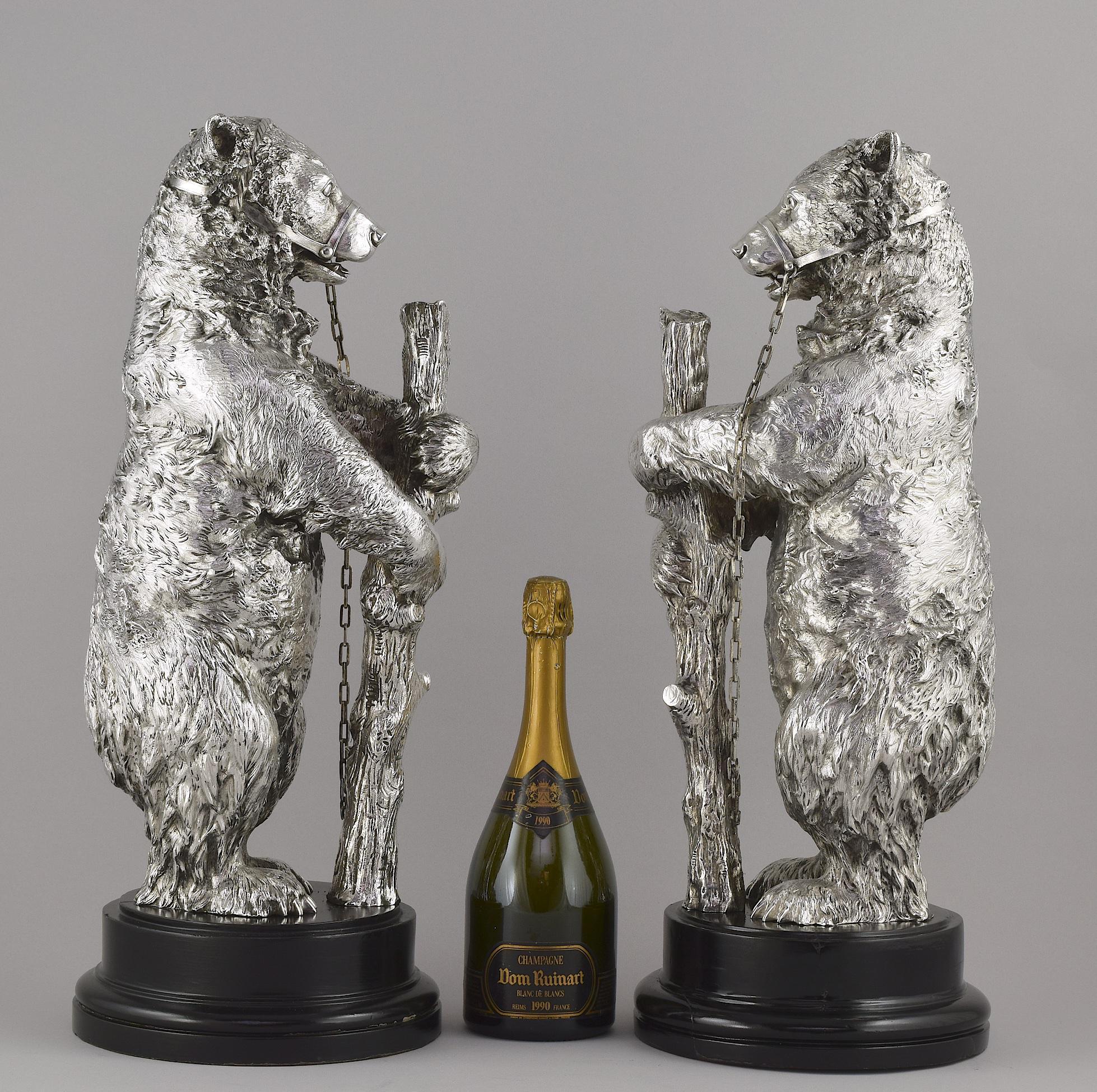
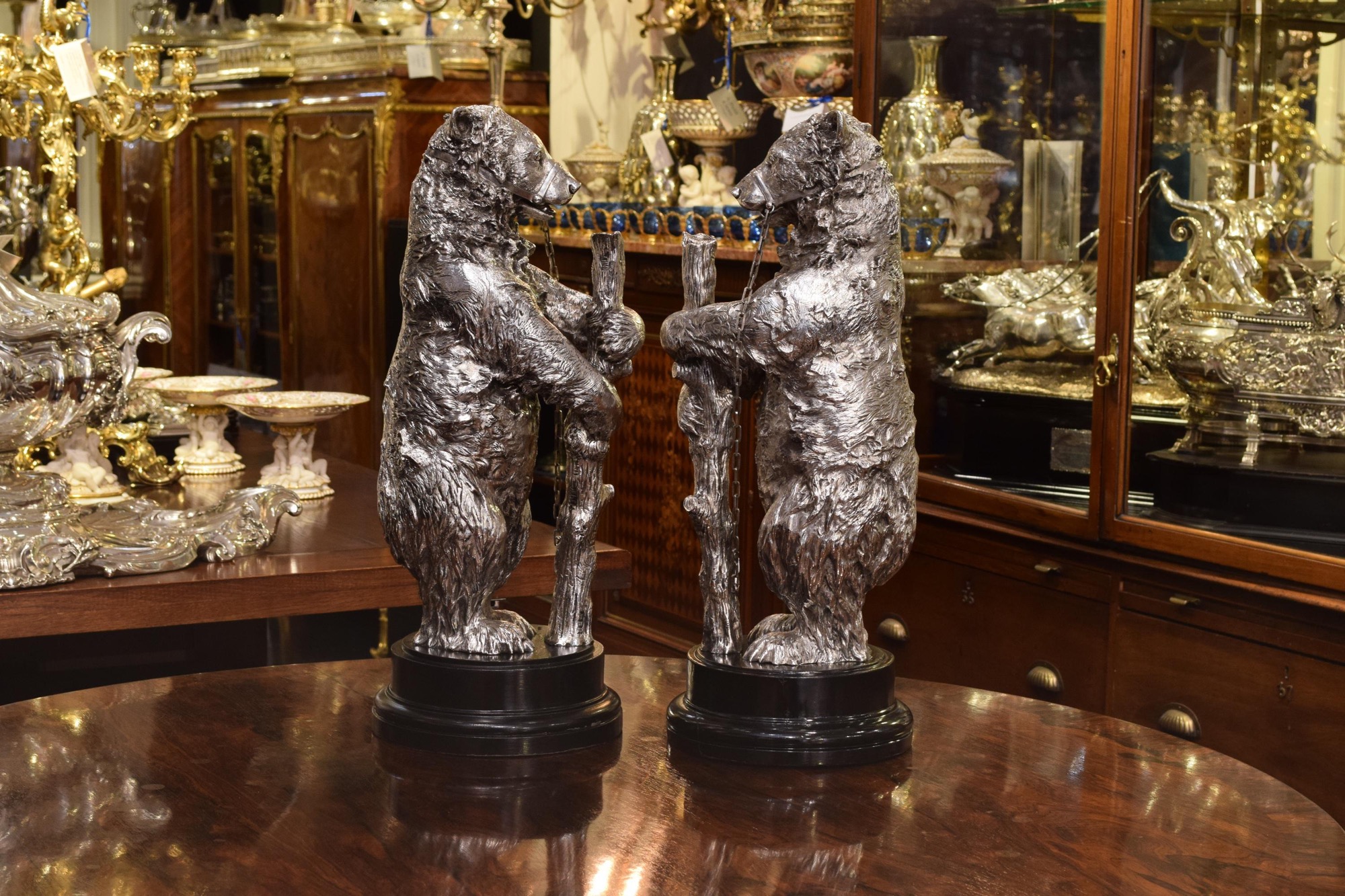
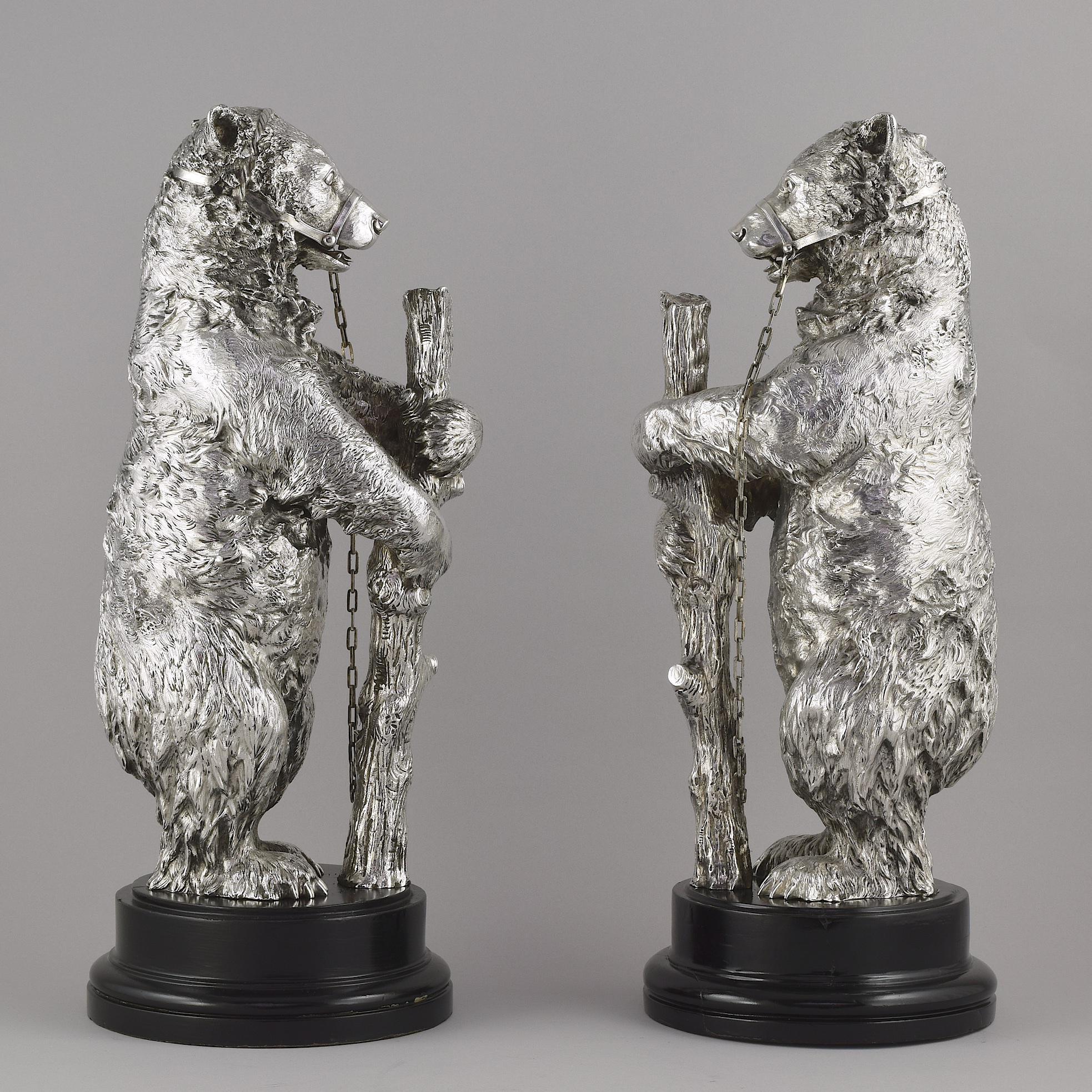
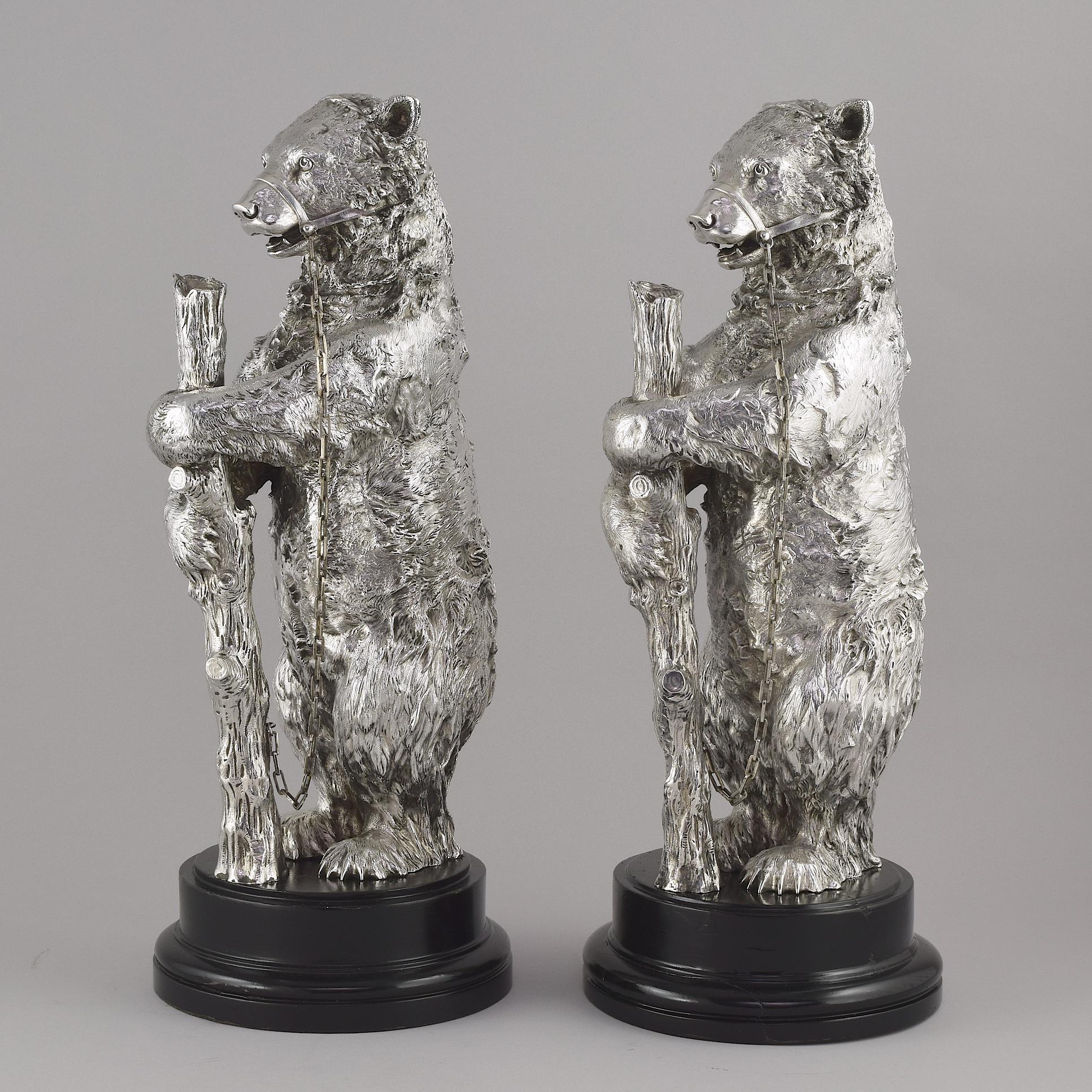
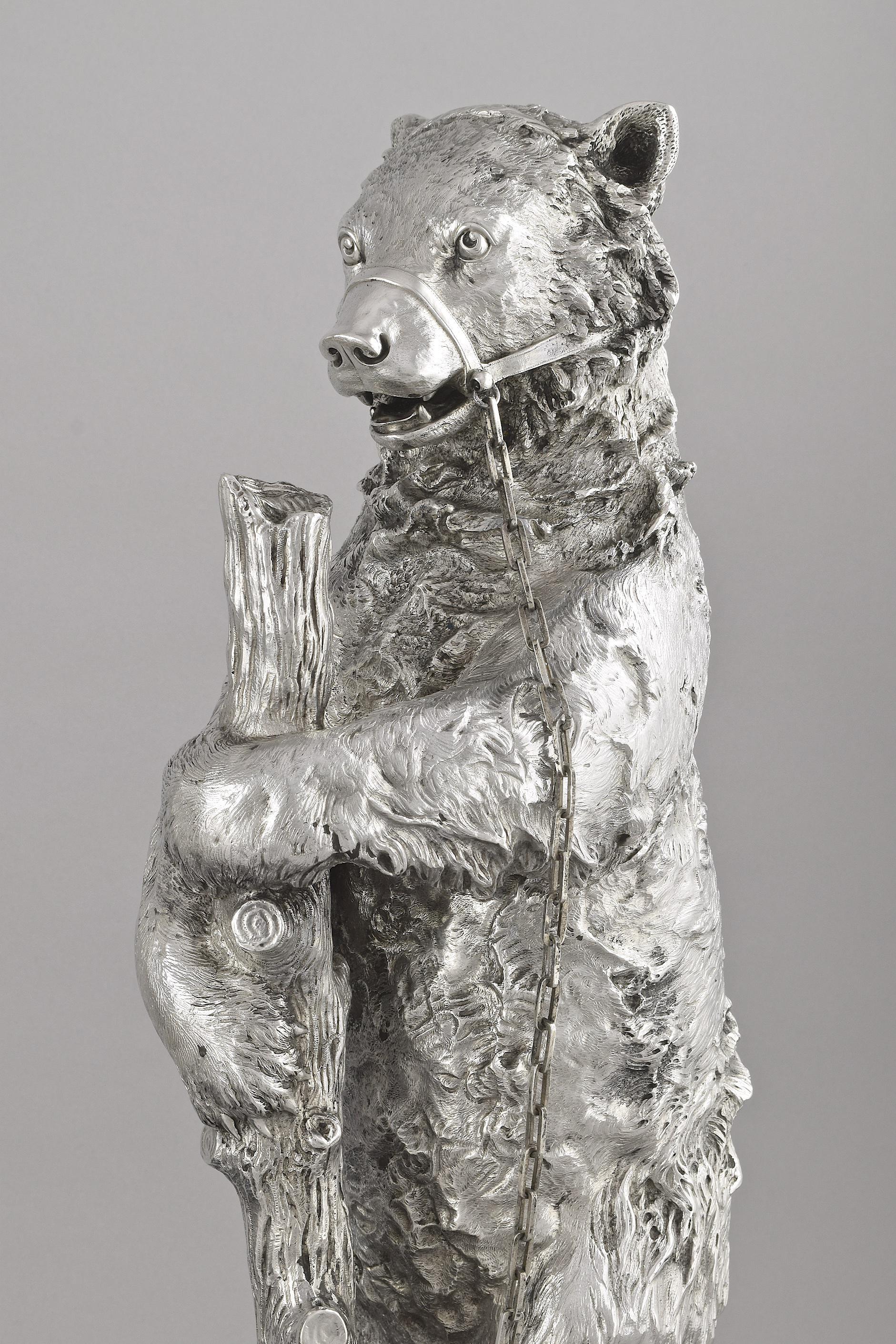
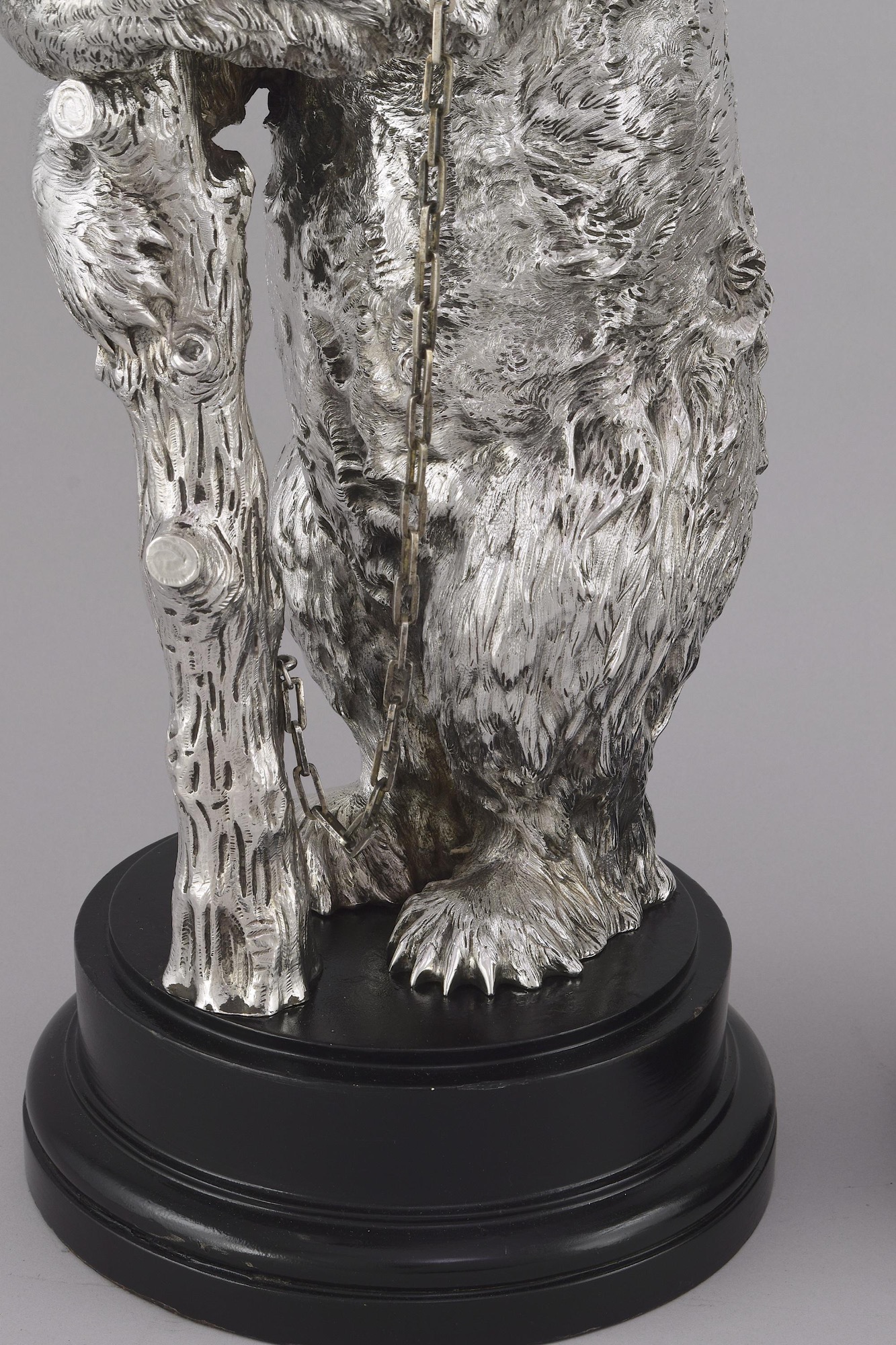
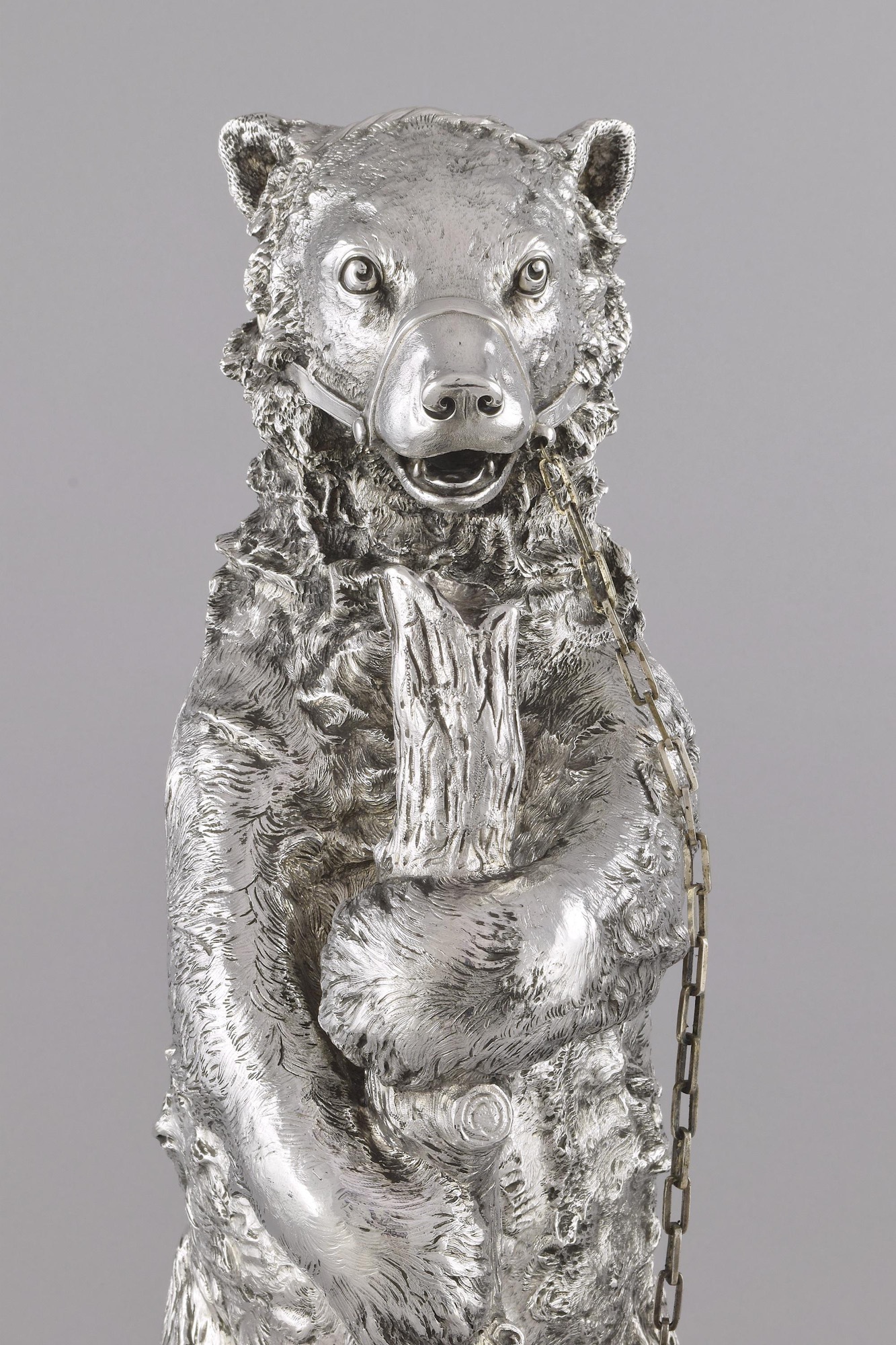
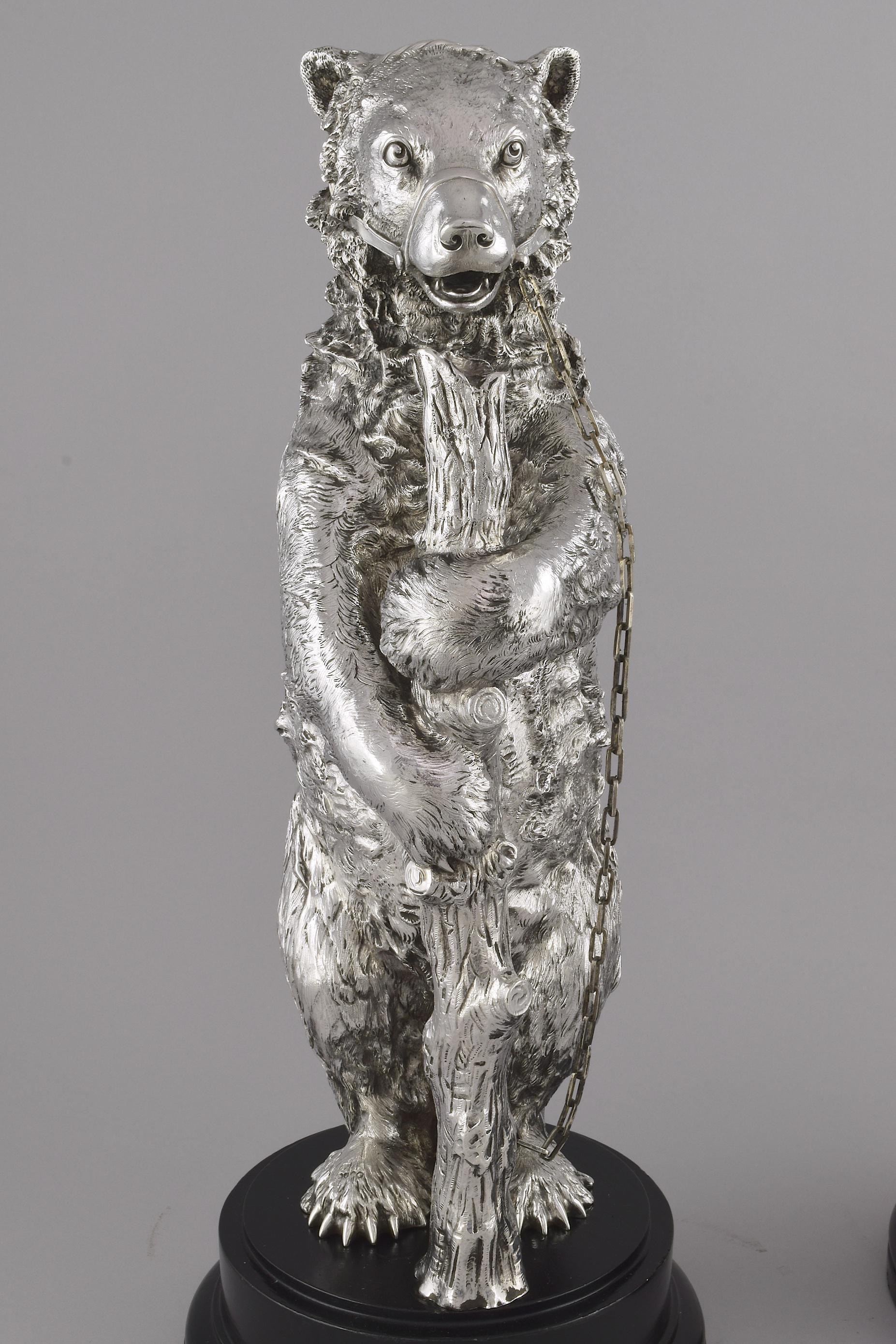
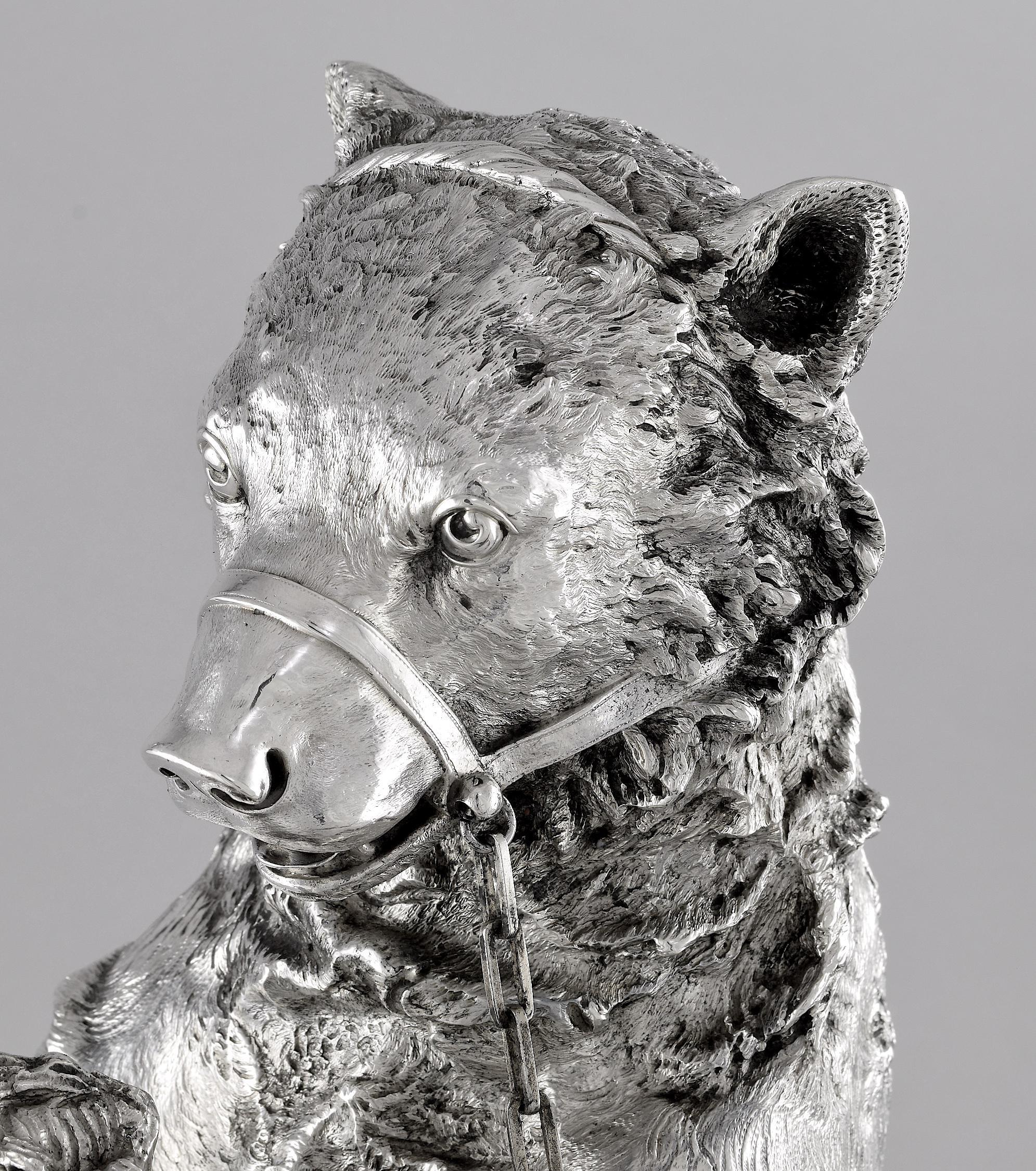
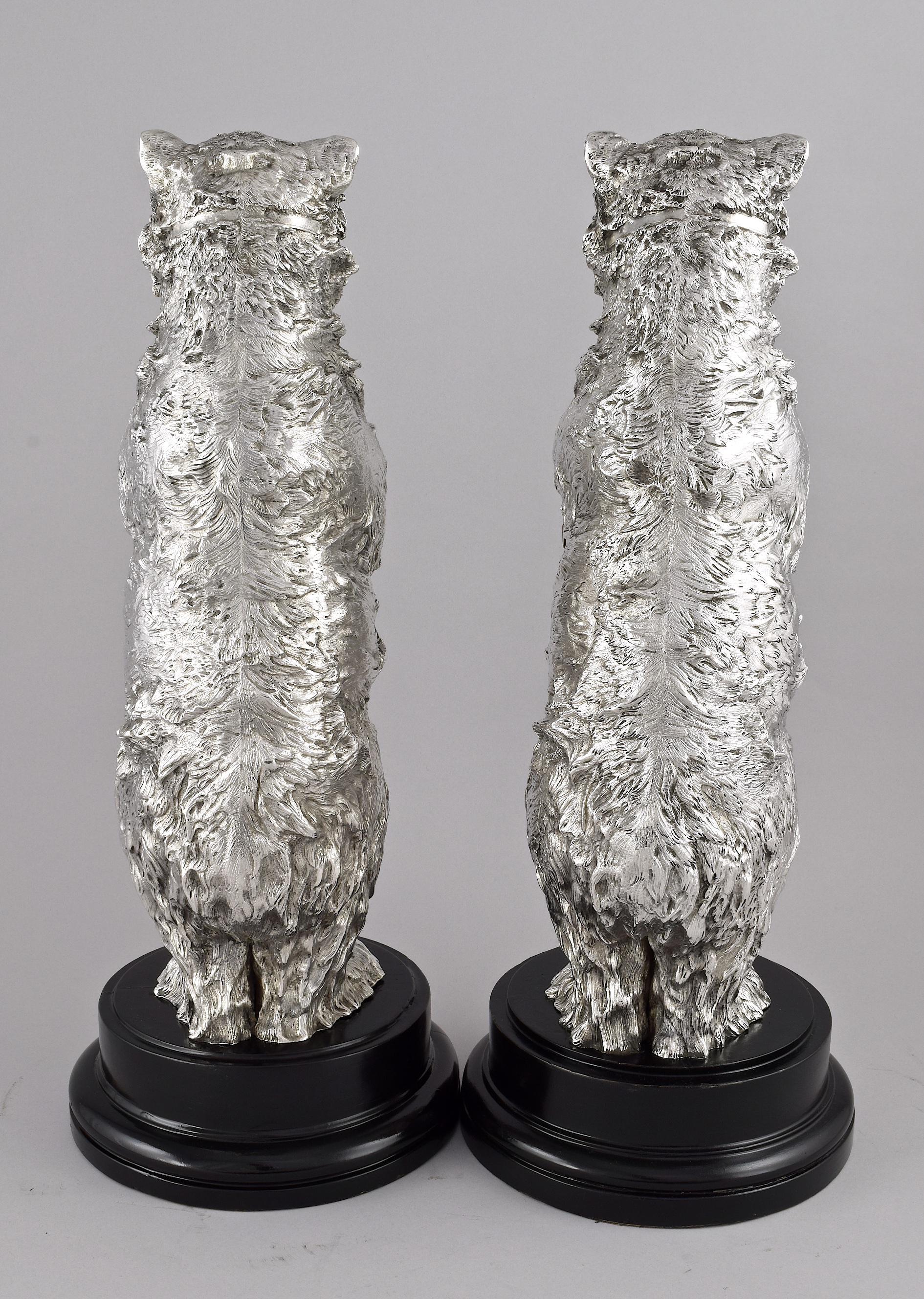
a magnificent pair of Victorian silver "bear and ragged staff" sculptures
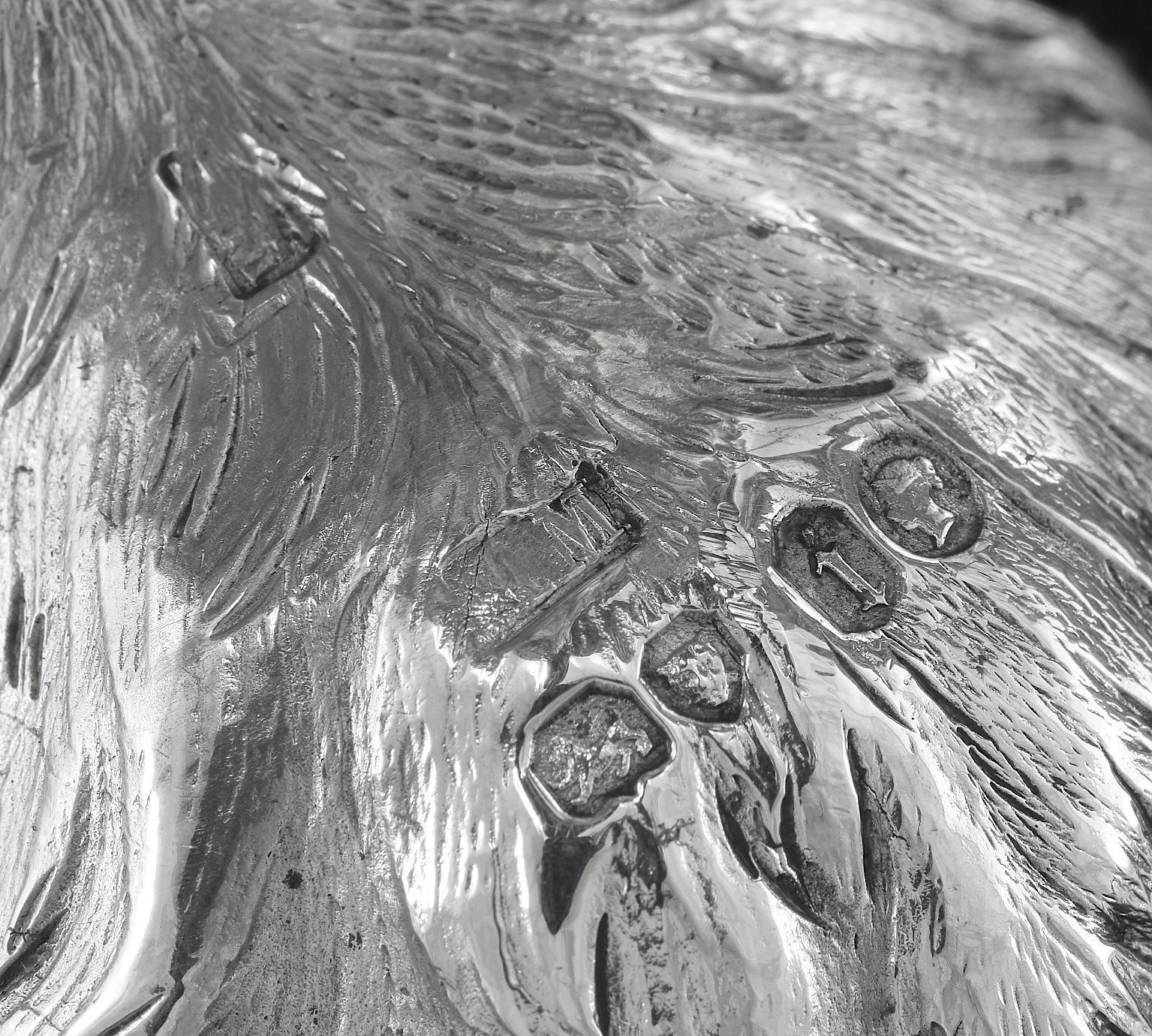
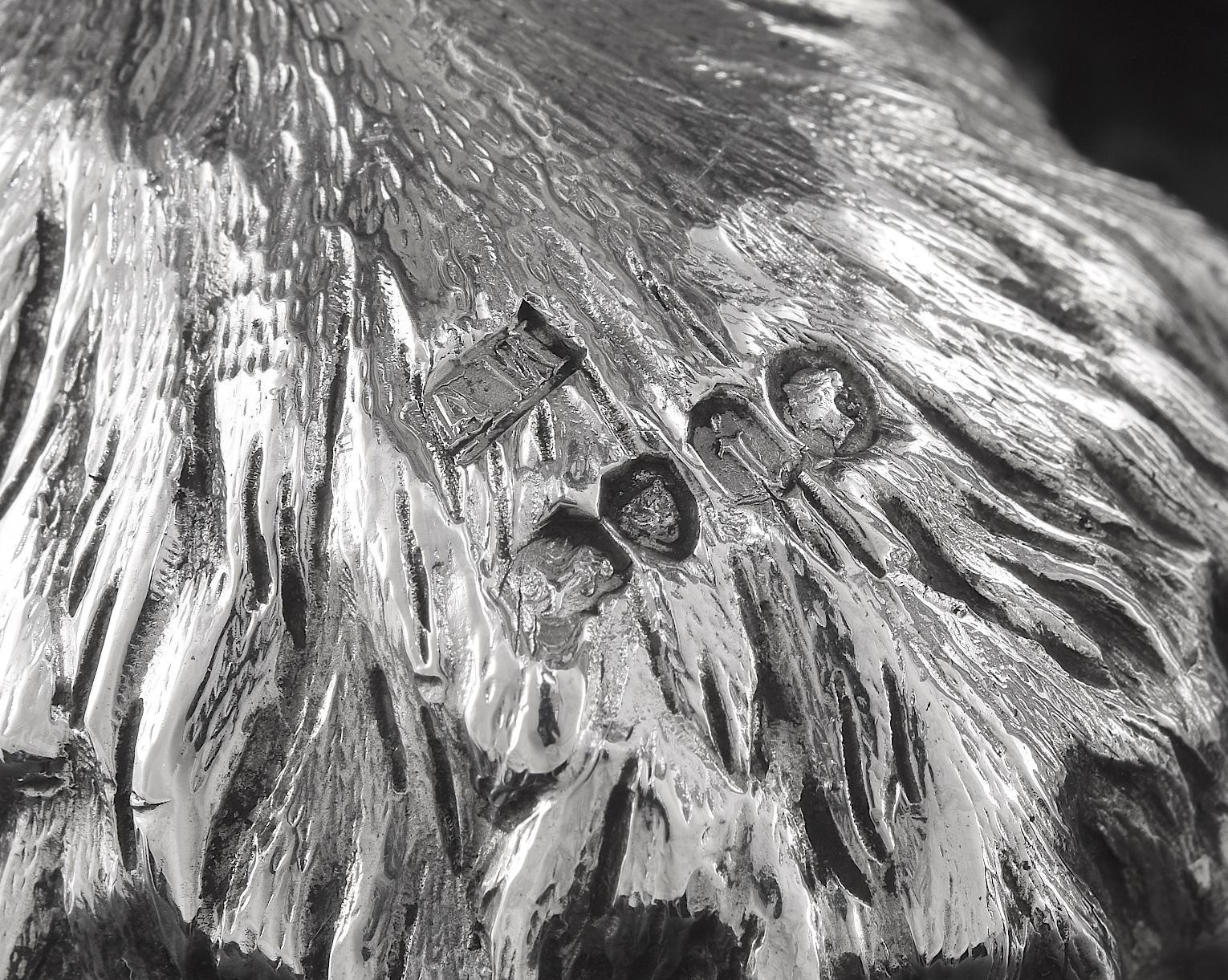
Hallmarks for Alexander Macrae, London 1864
For Centuries, the image of the "Bear And The Ragged Staff" has been the Heraldric symbol of The Earl's of Warwick and the County of Warwickshire.
The origins of the Bear and the Ragged Stand symbolism goes back almost 1600 years to the legend of Morvidus, a legendary king of the Britons from 341 to 336 BCE and early ancestor of The Earl of Warwick who is said to have slain a giant
...
Hallmarks for Alexander Macrae, London 1864
For Centuries, the image of the "Bear And The Ragged Staff" has been the Heraldric symbol of The Earl's of Warwick and the County of Warwickshire.
The origins of the Bear and the Ragged Stand symbolism goes back almost 1600 years to the legend of Morvidus, a legendary king of the Britons from 341 to 336 BCE and early ancestor of The Earl of Warwick who is said to have slain a giant
"with a young ash tree torn up by the roots". The emblem of a bear (Latin ursus) is believed to refer to Urse d'Abetot (c. 1040 - 1108), 1st feudal baron of Salwarpe in Worcestershire, a Norman who followed King William the Conqueror to England, and served as Sheriff of Worcestershire. His heir was his son-in-law Walter de Beauchamp (died 1130/3), whose descendant was William de Beauchamp, 9th Earl of Warwick (c.1238-1298), the eldest son of William de Beauchamp of Elmley by his wife Isabel de Mauduit, sister and heiress of William Mauduit, 8th Earl of Warwick. Whilst the bear and the staff are symbols of strength and power the chain is considered a symbol of duty or service.
12485
Dimensions

 is believed to refer to Urse d'Abetot (c. 1040 - 1108), 1st feudal baron of Salwarpe in Worcestershire, a Norman who followed King William the Conqueror to England, and served as Sheriff of Worcestershire. His heir was his son-in-law Walter de Beauchamp (died 1130/3), whose descendant was William de Beauchamp, 9th Earl of Warwick (c.1238-1298), the eldest son of William de Beauchamp of Elmley by his wife Isabel de Mauduit, sister and heiress of William Mauduit, 8th Earl of Warwick. Whilst the bear and the staff are symbols of strength and power the chain is considered a symbol of duty or service.)