
A Pair of George III Sugar Vases
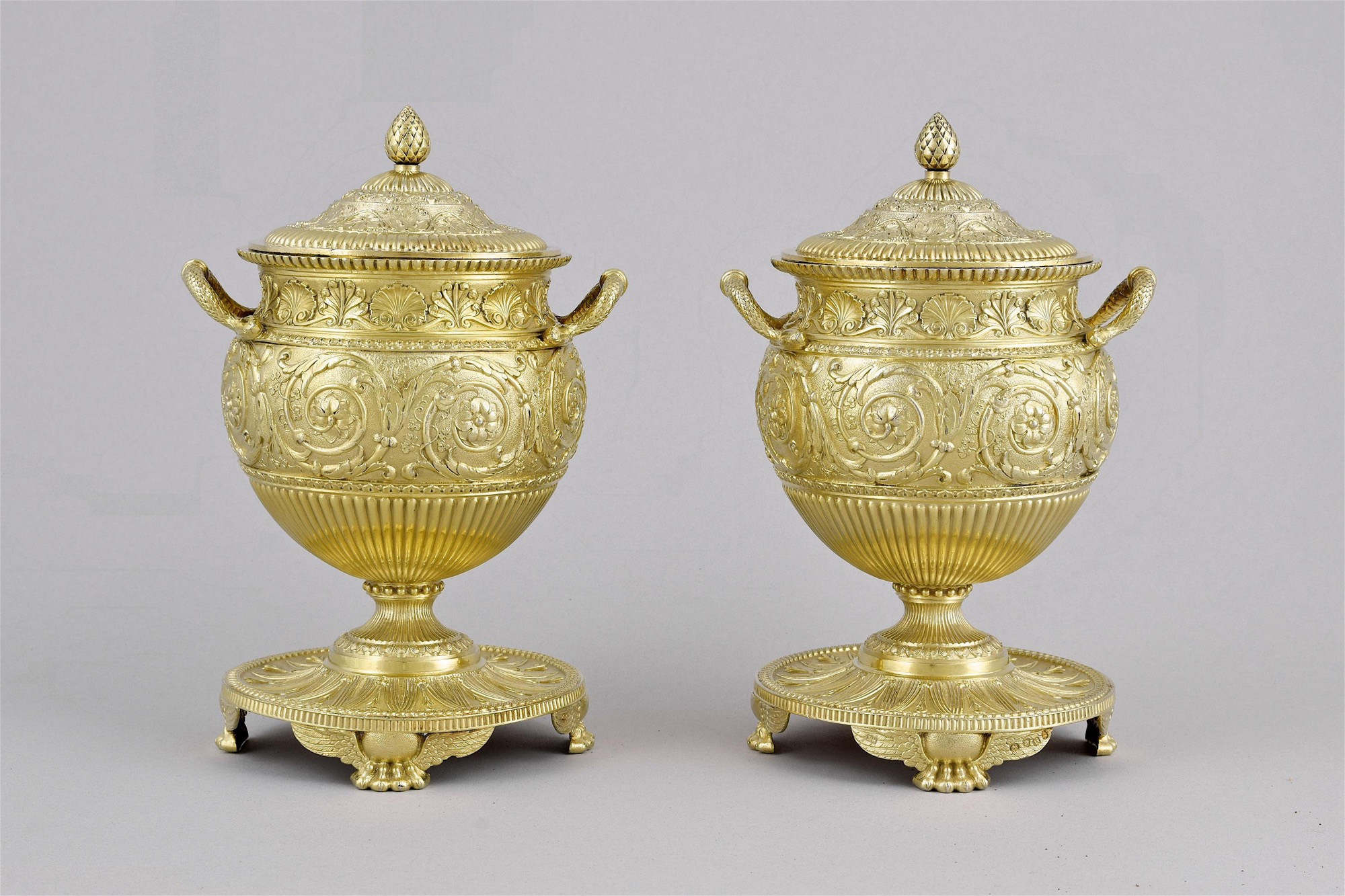
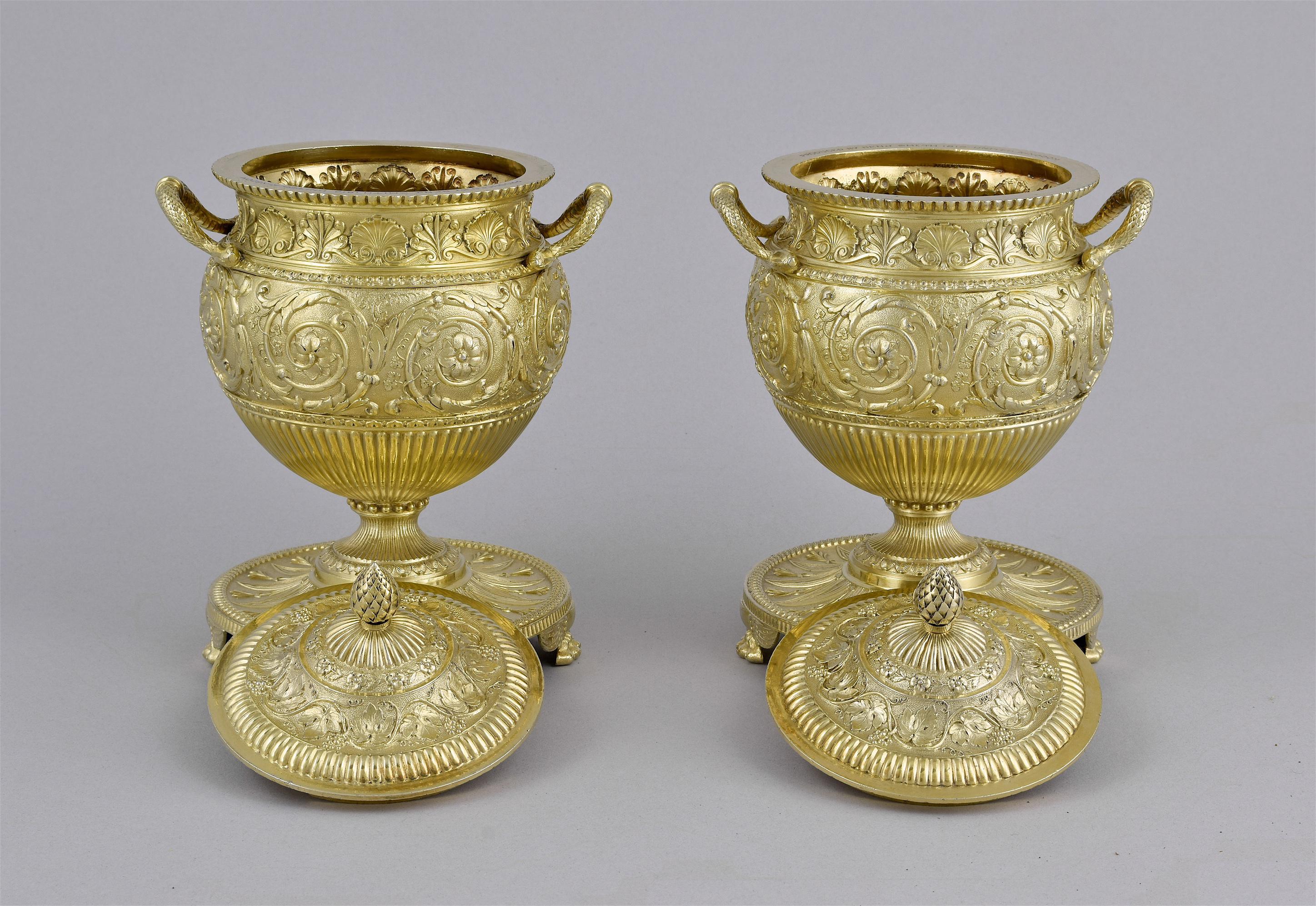
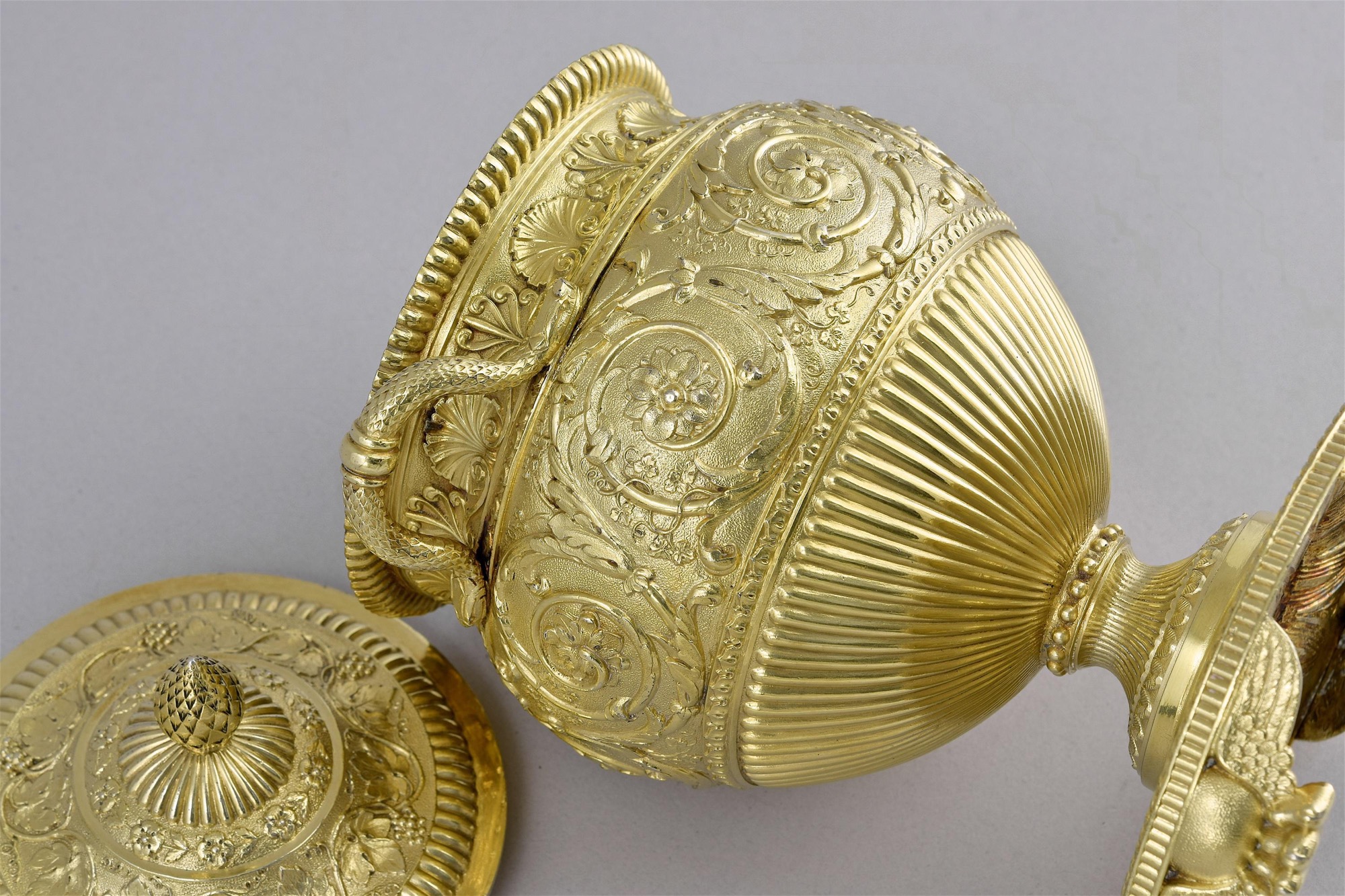
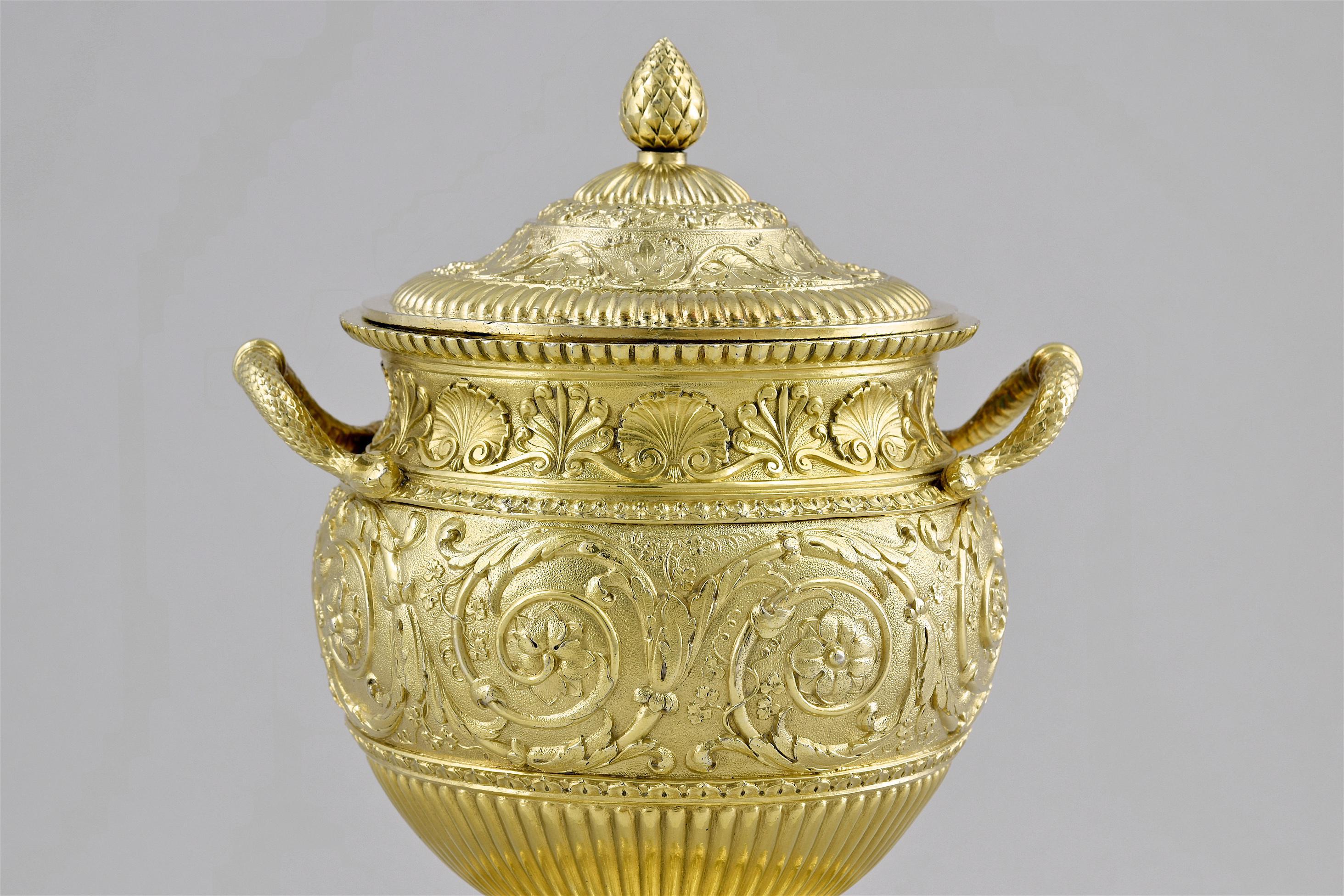
A Pair of George III Sugar Vases
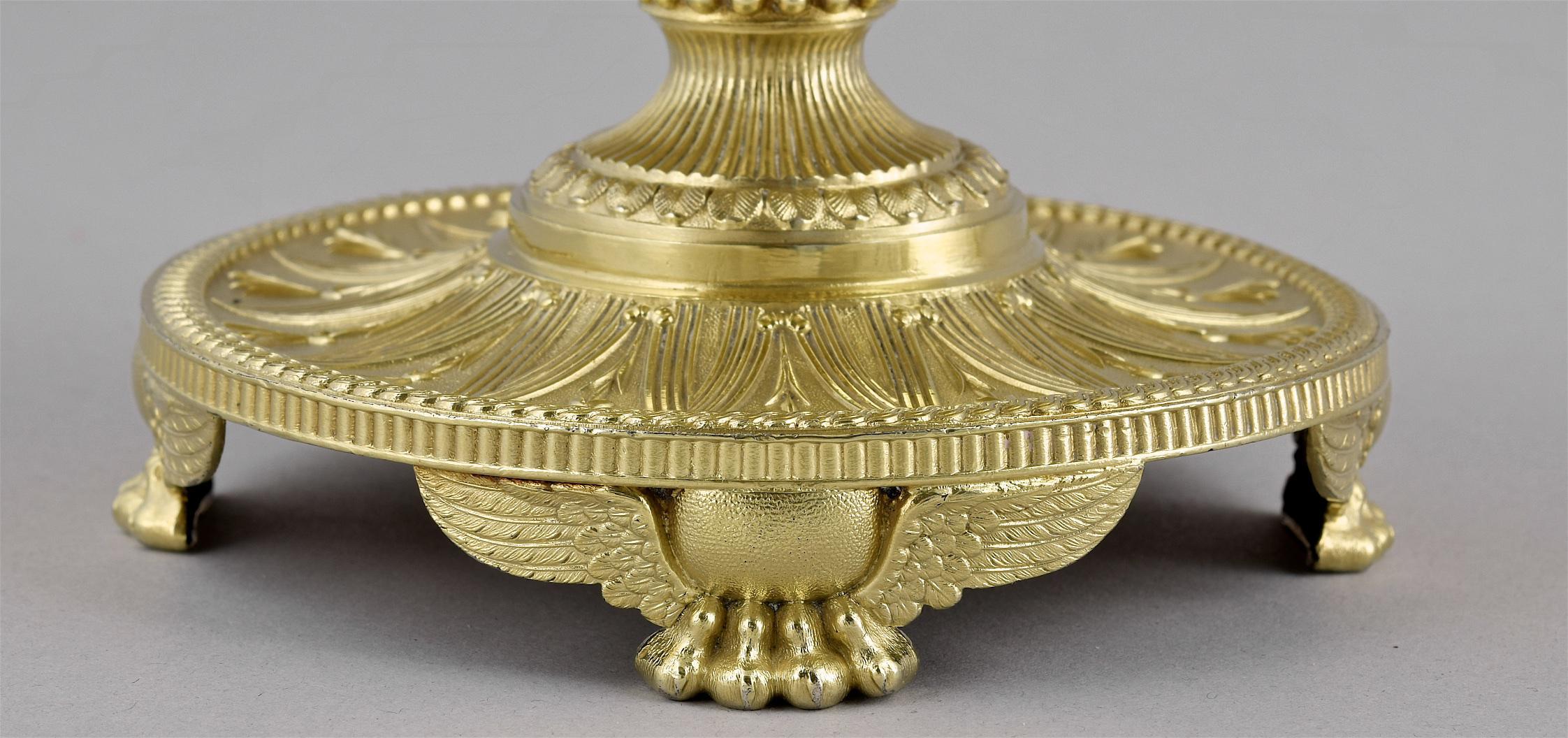
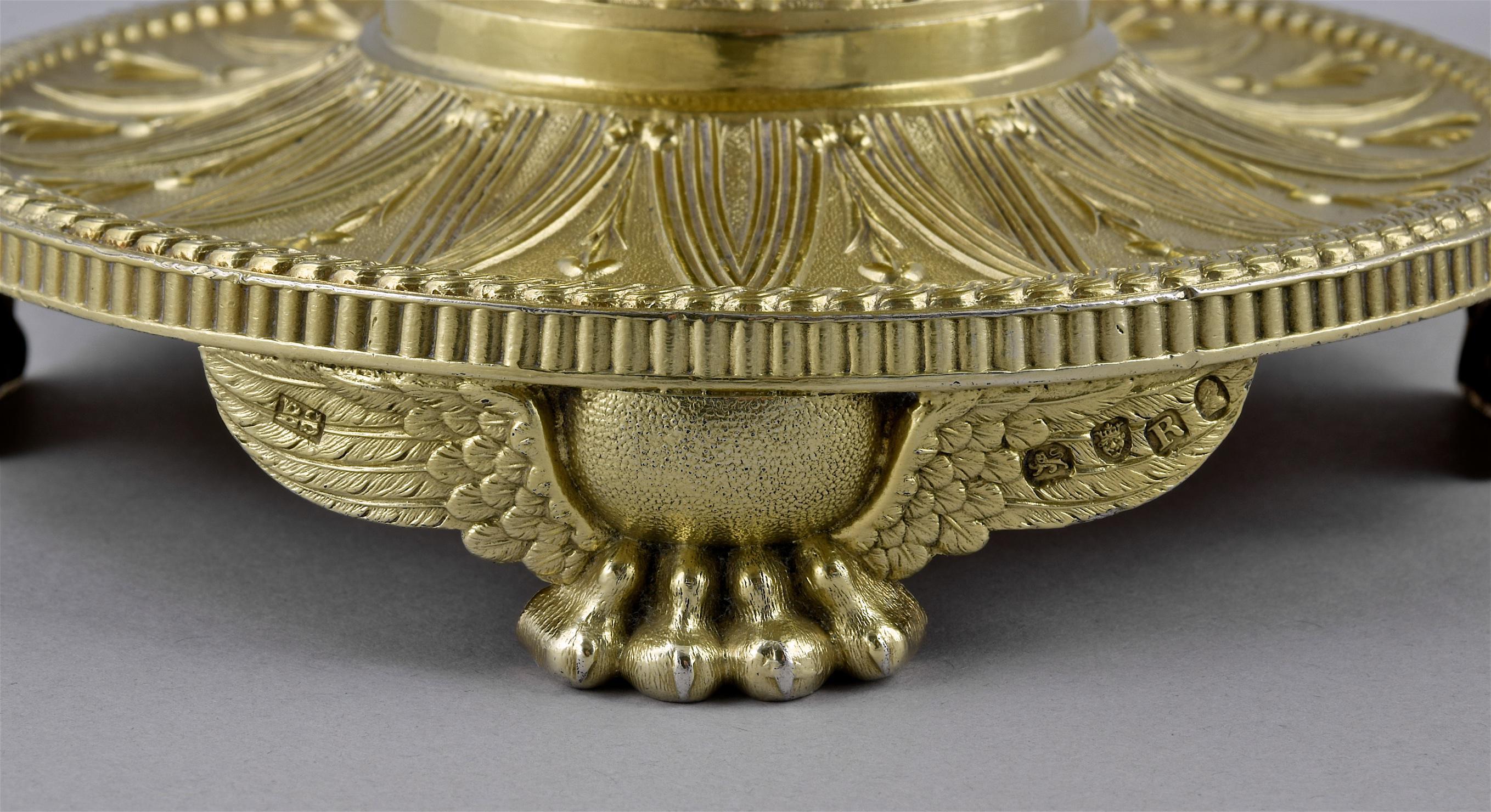
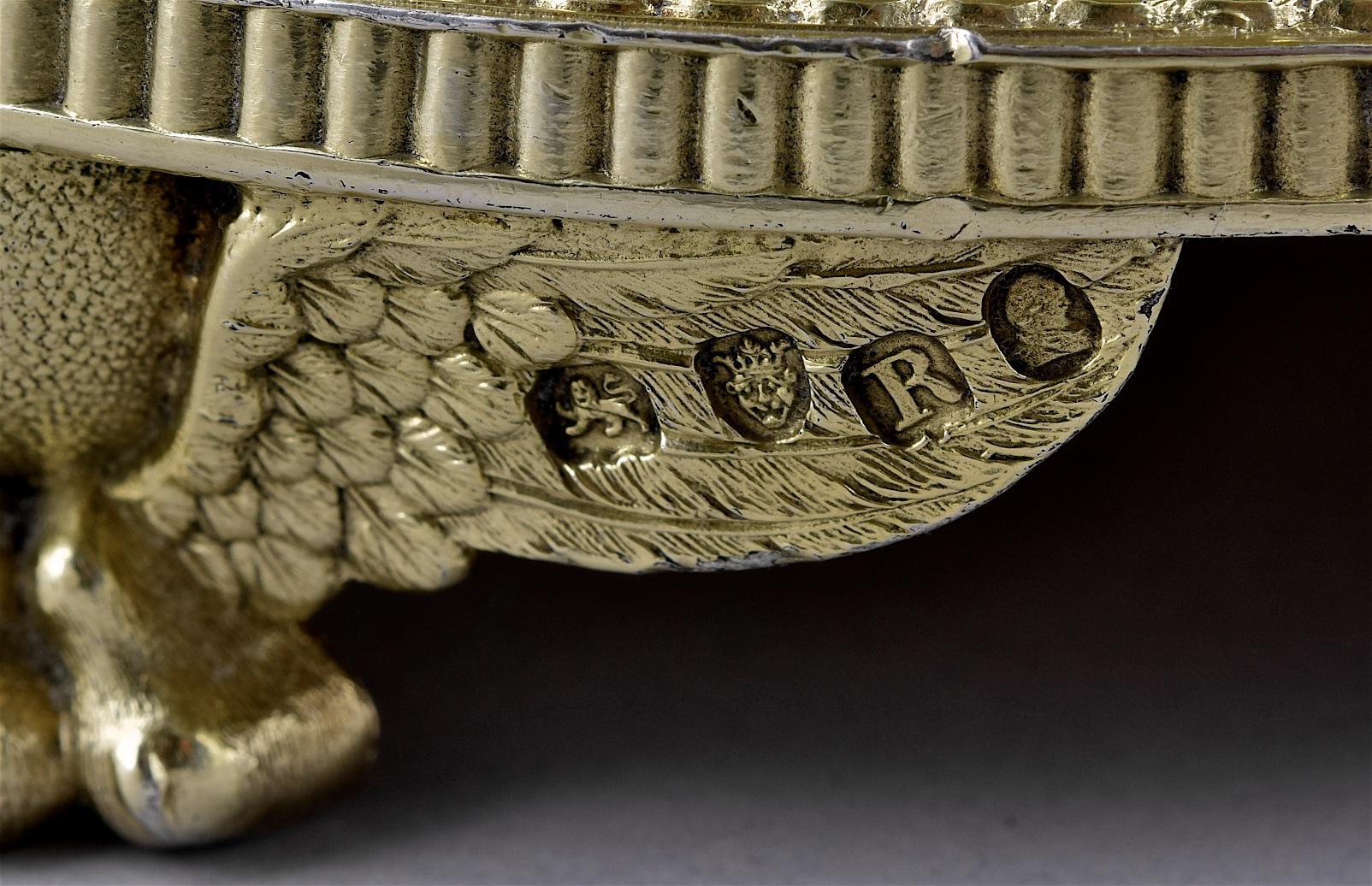
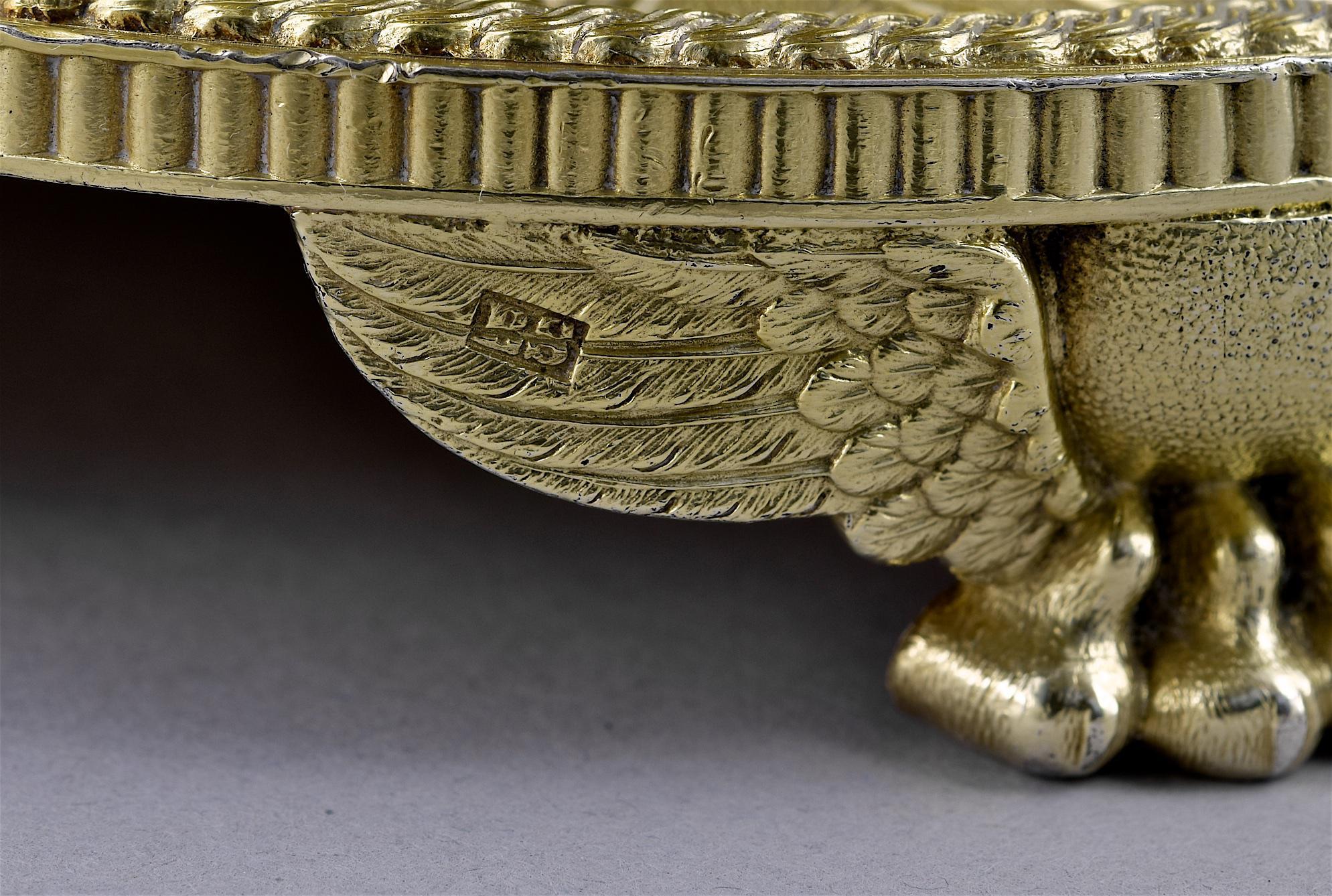
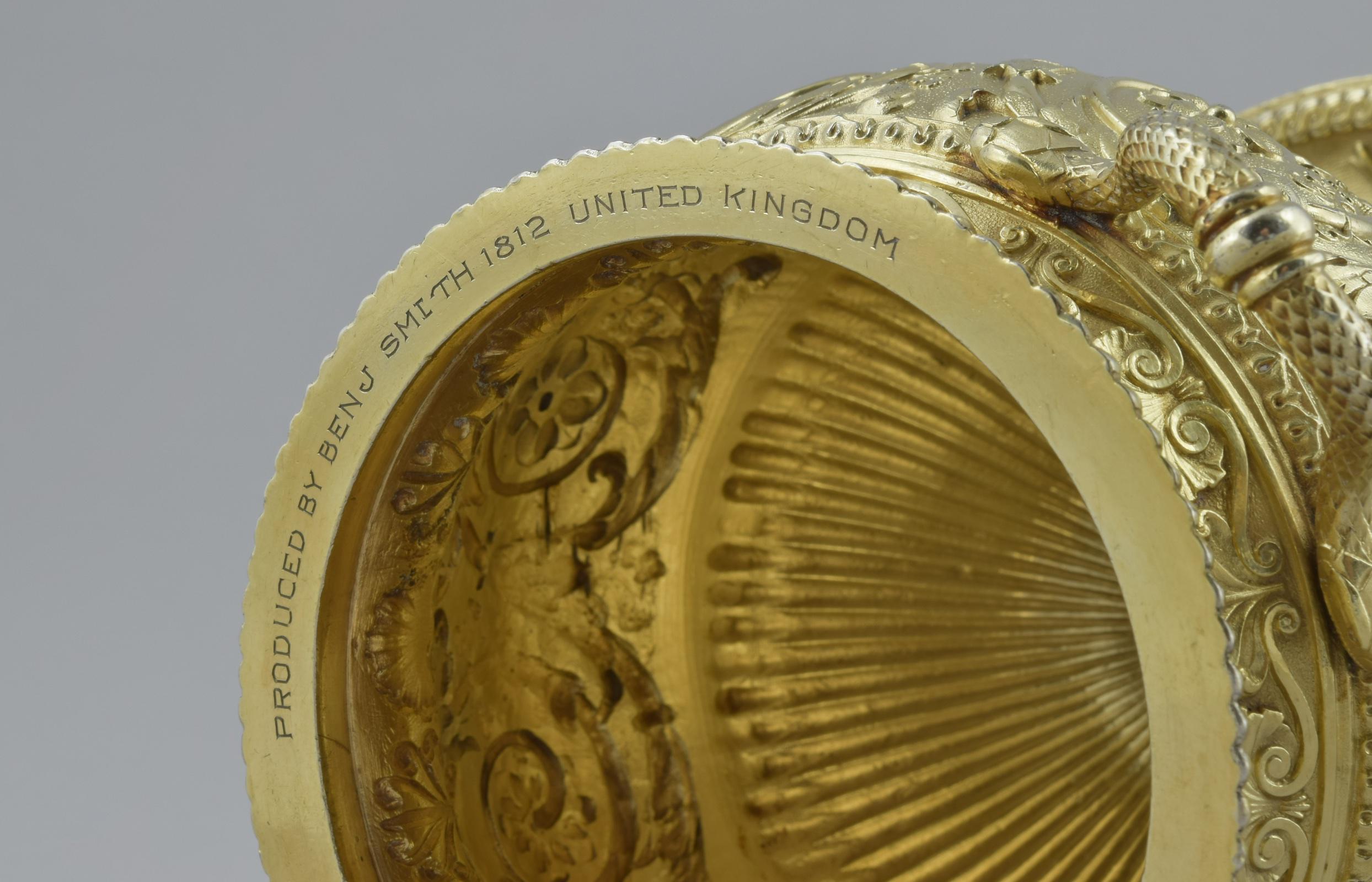
Hallmarks for Benjamin Smith 1812
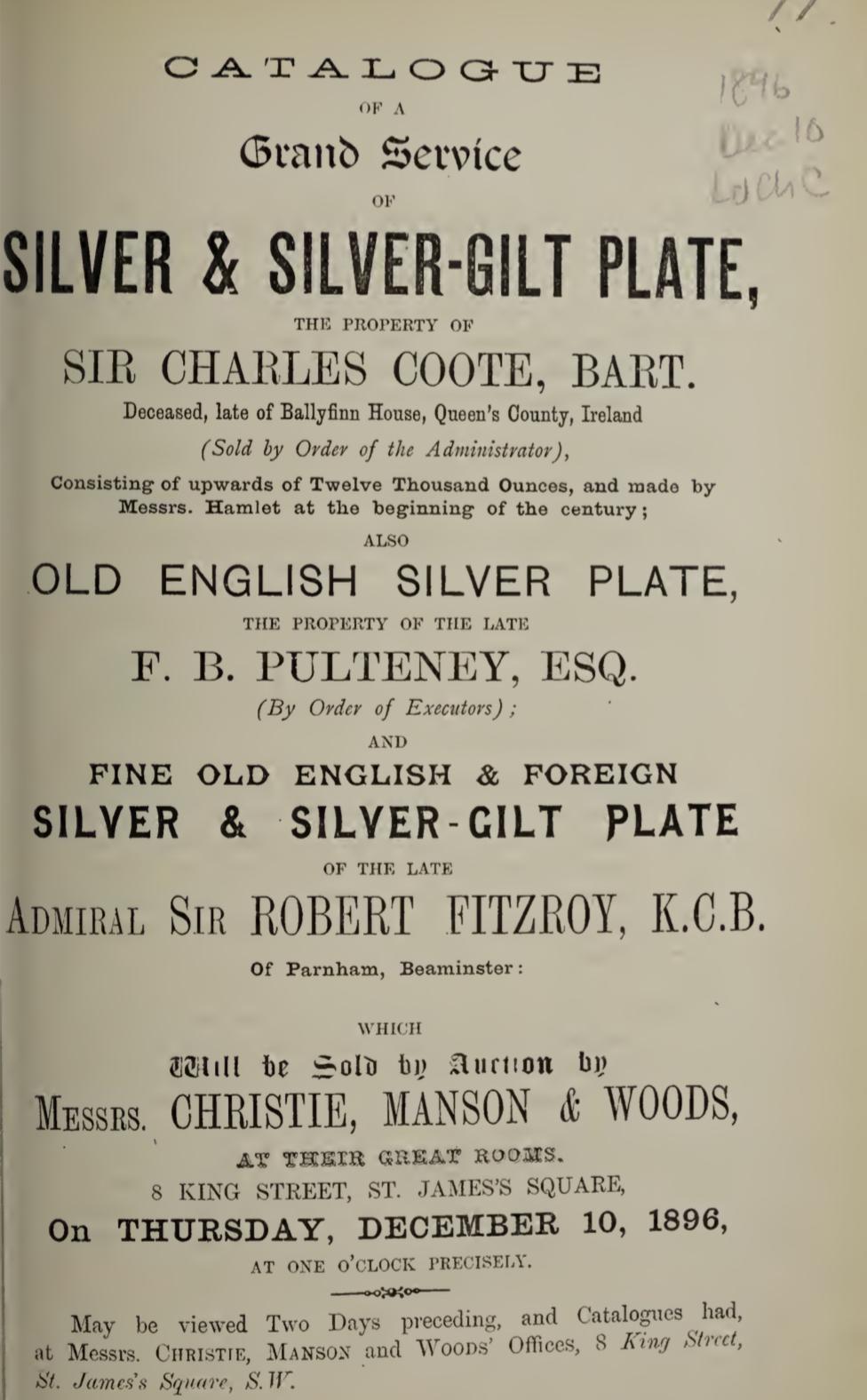
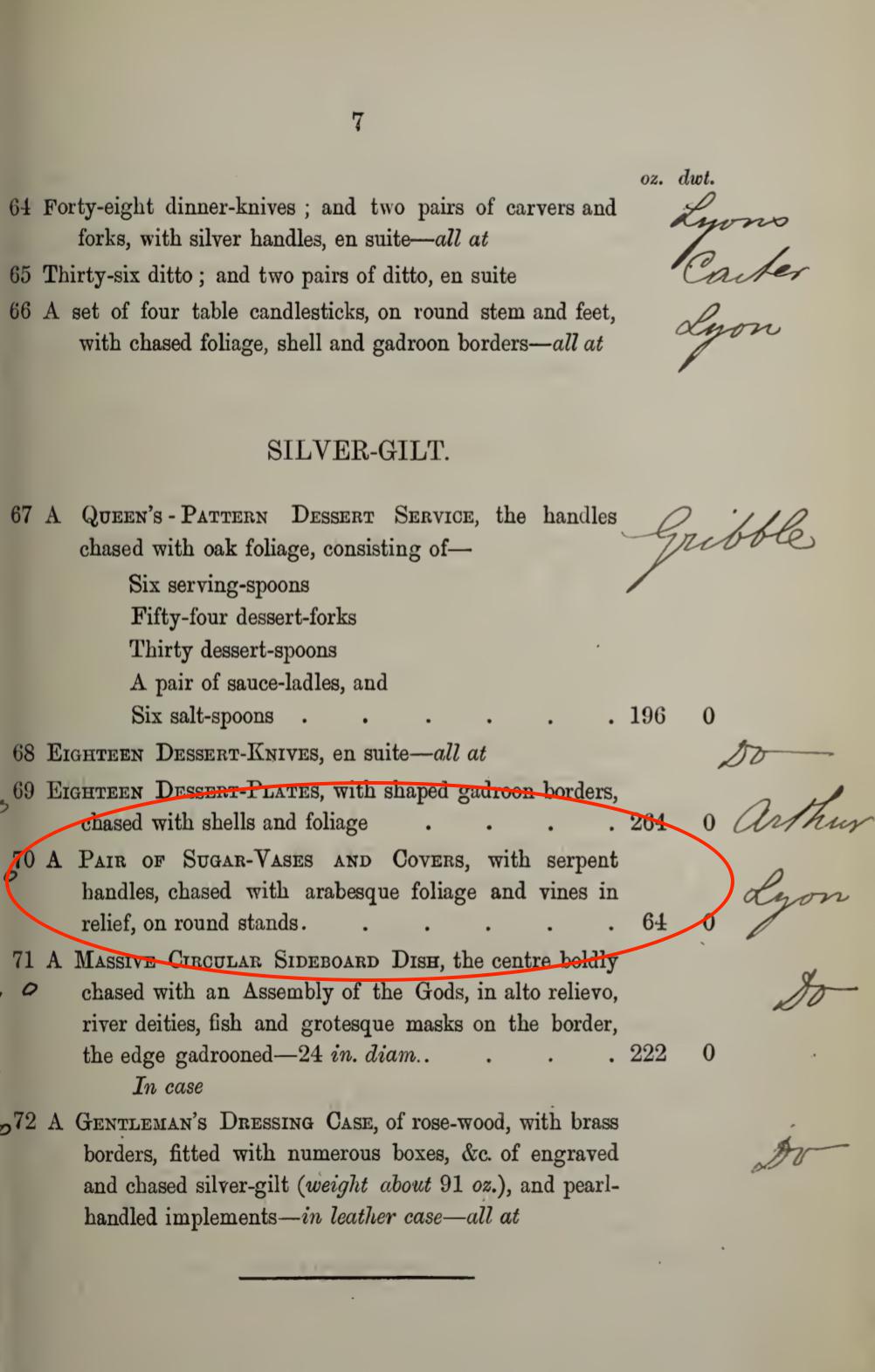
Likely made as part of the Coote Service for Sir Charles Henry Coote, 9th Baronet (2 January 1794 - 8 October 1864)
The source of the design for these sugar vases is a Roman funerary urn in the celebrated antique sculpture collection of the 1st Marquess of Lansdowne, identified by David Udy in Piranesi's Vasi, the English Silversmith and his Patrons, Burlington Magazine, December 1978, p. 837, fig. 55-57. Unlike the Warwick Vase, which
...
Hallmarks for Benjamin Smith 1812
Likely made as part of the Coote Service for Sir Charles Henry Coote, 9th Baronet (2 January 1794 - 8 October 1864)
The source of the design for these sugar vases is a Roman funerary urn in the celebrated antique sculpture collection of the 1st Marquess of Lansdowne, identified by David Udy in Piranesi's Vasi, the English Silversmith and his Patrons, Burlington Magazine, December 1978, p. 837, fig. 55-57. Unlike the Warwick Vase, which
had been popularized by Piranesi's engravings of the eighteenth century, the Lansdowne urn apparently was reproduced directly in silver before John Duit engraved it around 1813. The design in silver is attributed to the sculptor John Flaxman, who used a variation of the urn in his tomb monument for Sir Thomas Burrell in 1796. Flaxman became Rundell's most important designer around the time the firm became Royal Goldsmiths in 1804. In this period, Digby Scott and Benjamin Smith ran Rundell's workshop, executing the designs and models supplied by the firm in silver and silver-gilt.
A comparable set of eight vases of this design were made for George IV as Prince of Wales at a cost of £376 4s. This set can be found in the Royal collection and are illustrated in Carlton House: The Past Glories of George IV's Palace, 1991, cat. no. 95, p. 133 and was manufactured by Benjamin Smith and Benjamin and James Smith in 1808 and 1809.
Sir Charles Henry Coote, 9th Baronet (2 January 1794 - 8 October 1864) was an Irish Conservative and Tory politician.
Coote was the son of Chidley Coote of Ash Hill, County Limerick, and Elizabeth Anne née Carr. Educated at Eton College (leaving in 1805) and Trinity College, Cambridge (leaving in 1809), he married Caroline Whaley (daughter of John Whaley) in 1814. They had five sons and two daughters, including: Charles Henry (1815-1895); John Chidley (1816-1879); Algernon (1817-1899); Caroline (1819-1848); Robert (1820-1898); and Chidley Downes (1829-1872).
A distant descendant of Sir Charles Coote, 1st Baronet, he succeeded to the Coote baronetcy in 1802 upon the death of Charles Coote, 7th Earl of Mountrath. Upon his own death in 1864, the title passed to his eldest son, Sir Charles Henry Coote, 10th Baronet.
While he initially stood unsuccessfully in 1818 and 1820, Coote was first elected Tory MP for Queen's County at a by-election in 1821-caused by the elevation of William Wellesley-Pole to Lord Maryborough-and, becoming a Conservative in 1834, held the seat until 1847, when he did not seek re-election. During this period, he was known as a lax attender, and he generally divided with the Tory leader Lord Liverpool, occasionally siding with the Whigs on matters such as the abolition of joint-postmasterships and inquiries into the borough franchise.
He returned at the next election in 1852 and held the seat until 1859 when he, again, did not seek re-election.
In 1825 he was appointed Colonel of the disembodied Queen's County Militia, acting as Honorary Colonel after the Militia was revived in 1852.
12519
Dimensions

 The source of the design for these sugar vases is a Roman funerary urn in the celebrated antique sculpture collection of the 1st Marquess of Lansdowne, identified by David Udy in Piranesi's Vasi, the English Silversmith and his Patrons, Burlington Magazine, December 1978, p. 837, fig. 55-57. Unlike the Warwick Vase, which had been popularized by Piranesi's engravings of the eighteenth century, the Lansdowne urn apparently was reproduced directly in silver before John Duit engraved it around 1813. The design in silver is attributed to the sculptor John Flaxman, who used a variation of the urn in his tomb monument for Sir Thomas Burrell in 1796. Flaxman became Rundell's most important designer around the time the firm became Royal Goldsmiths in 1804. In this period, Digby Scott and Benjamin Smith ran Rundell's workshop, executing the designs and models supplied by the firm in silver and silver-gilt.A comparable set of eight vases of this design were made for George IV as Prince of Wales at a cost of £376 4s. This set can be found in the Royal collection and are illustrated in Carlton House: The Past Glories of George IV's Palace, 1991, cat. no. 95, p. 133 and was manufactured by Benjamin Smith and Benjamin and James Smith in 1808 and 1809.Sir Charles Henry Coote, 9th Baronet (2 January 1794 - 8 October 1864) was an Irish Conservative and Tory politician.Coote was the son of Chidley Coote of Ash Hill, County Limerick, and Elizabeth Anne née Carr. Educated at Eton College (leaving in 1805) and Trinity College, Cambridge (leaving in 1809), he married Caroline Whaley (daughter of John Whaley) in 1814. They had five sons and two daughters, including: Charles Henry (1815-1895); John Chidley (1816-1879); Algernon (1817-1899); Caroline (1819-1848); Robert (1820-1898); and Chidley Downes (1829-1872).A distant descendant of Sir Charles Coote, 1st Baronet, he succeeded to the Coote baronetcy in 1802 upon the death of Charles Coote, 7th Earl of Mountrath. Upon his own death in 1864, the title passed to his eldest son, Sir Charles Henry Coote, 10th Baronet.While he initially stood unsuccessfully in 1818 and 1820, Coote was first elected Tory MP for Queen's County at a by-election in 1821-caused by the elevation of William Wellesley-Pole to Lord Maryborough-and, becoming a Conservative in 1834, held the seat until 1847, when he did not seek re-election. During this period, he was known as a lax attender, and he generally divided with the Tory leader Lord Liverpool, occasionally siding with the Whigs on matters such as the abolition of joint-postmasterships and inquiries into the borough franchise.He returned at the next election in 1852 and held the seat until 1859 when he, again, did not seek re-election.In 1825 he was appointed Colonel of the disembodied Queen's County Militia, acting as Honorary Colonel after the Militia was revived in 1852.)